






If you are travelling to Antalya for dental implants, there is a good chance one question has been sitting at the back of your mind since you started looking at flights: when can I actually fly home? It is a fair thing to worry about. You are booking a return ticket for a mouth that will have just been through surgery, and nobody wants to spend four hours over Europe wondering whether the cabin pressure is doing something to their new implants.
The reassuring answer is that most patients fly home comfortably after implant treatment in Turkey. The more useful answer is that it depends on exactly what was done, how your healing is going and how well you plan the days in between. This guide walks you through all of it, so you can book your trip with realistic expectations rather than guesswork.
Can You Fly After Dental Implant Surgery?
Many patients travel home by air after implant treatment, but the operation and your recovery determine when this is appropriate. A booked return flight is not medical clearance. Ask your treating dentist to assess you before departure, including any effects of sedation or general anaesthesia.
How Soon Can You Fly After Dental Implants?
A 2023 British Dental Journal review proposes earliest intervals of 72 hours after uncomplicated implant placement, 24 to 48 hours after a simple extraction, and at least two weeks after a sinus lift. It favours longer waits, including about a week after most dental procedures and six weeks after sinus lifting. These are authors' guiding principles, not universal clearance rules: research on civilian flights is limited, and the suggested earliest intervals assume no pain, swelling or bleeding.
Why Not Plan to Fly the Next Day?
A single implant and a simple extraction are different procedures. Do not use an extraction waiting time to decide when to fly after implant surgery. Leave space in your itinerary for recovery and a clinical check rather than relying on a next-day return.
Recovery Before Departure
Your return date should account for the extent of surgery, any additional procedures, your symptoms and the journey itself. A follow-up examination gives your dentist a chance to assess the wound and address concerns while you are still nearby. A few days in Antalya does not automatically establish that you are fit to fly.
When Should You Delay Your Flight?
Your dentist may advise you to wait longer if you have had a sinus lift or a larger bone graft, if bleeding has not fully stopped, if you have signs of infection such as increasing pain, heat or pus, or if you have a cold, blocked nose or sinus congestion. A blocked sinus combined with fresh surgery is exactly the situation where cabin pressure can cause trouble, so this is not one to push through.
Flying After Other Dental Treatments in Antalya
Different procedures need different travel plans. The published intervals above should not be applied to every dental appointment.
- Fillings, veneers and crowns: allow a buffer for symptoms or bite adjustments. The review suggests at least 24 hours after restorative work. See our pages on fillings, veneers and crowns.
- Professional cleaning: ask whether any additional treatment changes your travel plan. Our professional dental cleaning page explains the procedure.
- Extractions and implants: distinguish simple extraction from surgical extraction and implant placement. Combined procedures need an individual assessment.
- Sinus lifting and bone grafting: tell your surgeon about your flight before agreeing dates. The graft location, surgical technique and any complications matter.
Your treating clinician should advise you based on the actual treatment, not a generic travel schedule.
Is It Safe to Fly After All-on-4 or All-on-6 Implants?
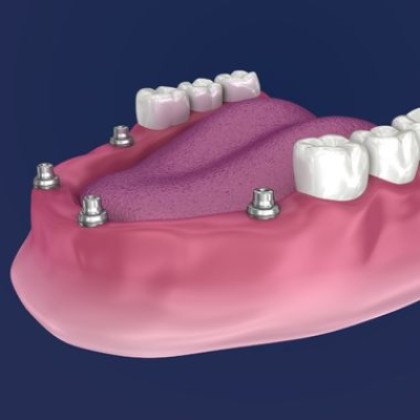
Air travel may be possible after assessment, but full-arch treatment is a bigger procedure and your travel plan should reflect that. With All-on-4 or All-on-6, several implants are placed in one session, often alongside extractions, and a fixed temporary bridge may be attached within a few days when immediate loading is clinically appropriate.
A first visit may include surgery, temporary teeth, bite checks and follow-up appointments. Agree the appointment schedule and the earliest appropriate flight date separately. If extractions, grafting or sinus treatment are added, the original itinerary may need to change. Do not book an early return based only on when the temporary bridge will be ready.
Can You Fly After a Sinus Lift or Bone Graft?
This needs a separate discussion with your surgeon before you book your return flight.
A sinus lift raises the membrane at the floor of the maxillary sinus so that bone graft material can be placed underneath it, giving the upper back implants enough bone to anchor into. That membrane is delicate while it heals. Sudden pressure changes, whether from a plane descending, a hard sneeze or blowing your nose forcefully, can put stress on it.
Do not treat a short implant-only itinerary as suitable after sinus surgery. The review above recommends a substantially longer interval for sinus lifting. Your surgeon must consider sinus symptoms, membrane complications and the extent of treatment. Bone grafts elsewhere in the jaw also need an individual travel plan rather than a single waiting time for all grafts.
If you are having a sinus lift in Antalya, it is best to plan your return date with your surgeon before you book anything, rather than fitting the treatment around a flight you have already bought.
Does Cabin Pressure Affect Dental Implants?
The implant fixture is not the only consideration when assessing travel. Recent wounds, the surrounding tissues, other teeth and any sinus procedure also matter. Avoid interpreting reassurance about the implant material as proof that flying immediately after surgery is safe.
The discomfort some people feel in their teeth while flying has a name: barodontalgia. It is associated with pressure changes and underlying dental problems; it should not be reduced to a single explanation involving trapped air. The result can be a sharp or throbbing pain, usually during climb or descent.
This is one reason why a thorough examination before treatment, including a 3D CBCT scan where needed, is so valuable. Teeth with hidden problems are the ones most likely to react on a flight. Root canal treatment that has been completed properly does not usually cause any trouble in the air, although a tooth with a temporary filling between visits can sometimes feel tender.
The sinuses are the other part of the picture. Upper back teeth sit very close to the sinus floor, so sinus congestion can feel like toothache at altitude. After a sinus lift, keeping the sinuses clear and avoiding strong pressure through the nose is especially important.
What About Airport Security With Dental Implants?
Do not rely on a guarantee that a particular implant or restoration can never be detected. Follow the screening staff's instructions and explain that you have dental implants if asked about an alarm or recent surgery. Contact your departure airport in advance if you have concerns about screening.
A treatment summary can help you explain your recent care. Your clinic can record whether you have titanium or zirconia implants, and the type of bridge or crowns fitted. This does not replace any documentation required by your airline or airport.
How Long Should You Stay in Antalya After Dental Implant Surgery?
Separate the time needed for appointments from the time needed before flying. The table below describes what your first trip may need to cover; it is not a fit-to-fly timetable. Confirm both the treatment schedule and the travel restriction with your dentist before booking, and allow flexibility if recovery takes longer.
| Treatment | What to allow for |
|---|---|
| One or two implants | Assessment, surgery and a postoperative review; confirm the return date individually. |
| Several implants or combined extractions | Additional wound checks and recovery time according to the actual procedures. |
| All-on-4 or All-on-6 | Temporary restoration appointments if suitable, bite checks and surgical follow-up. |
| Sinus lift or larger bone graft | A separate surgeon-approved travel plan, which may extend beyond completion of clinic appointments. |
Most implant treatment happens in two stages. The first trip covers the surgery and any temporary teeth. After roughly three to six months, once the implants have bonded with the bone, you return for the final crowns or bridge. The length of that second visit depends on the restoration and laboratory appointments; confirm it separately. Our guide to how many days to stay in Turkey for dental treatment covers other treatments too.
The extra days are rarely wasted. Antalya in recovery mode is a pleasant place to be, with gentle walks along the old harbour or the seafront promenades. Just keep swimming, saunas, heavy exercise and long days in the sun on hold until your dentist says otherwise. For more on the healing period, read our guide to recovery after dental implants.
What Precautions Should You Take Before Flying Home?
A few simple habits make a real difference to how you feel on the journey.
- Attend your follow-up appointment. Let your dentist check the surgical site before you leave, even if you feel fine.
- Keep your medication in your hand luggage. Antibiotics, painkillers and any mouth rinse you have been prescribed should travel with you, not in the hold. Keep them in their original packaging, along with the prescription or a note from the clinic. Check the rules at every departure and transit airport for mouthwash, liquid medicines and supporting documents; medical exemptions may apply.
- Finish your antibiotic course. If you have been prescribed antibiotics, continue taking them exactly as directed, including on travel day. Set an alarm if the timing falls during your flight.
- Stay hydrated. Cabin air is dry, and a dry mouth is uncomfortable after surgery. Sip water regularly, but avoid using a straw, as the suction can disturb the healing site.
- Avoid alcohol. It can increase bleeding and swelling, and it does not mix well with many painkillers or antibiotics. Our article on smoking and alcohol during implant treatment explains why.
- Eat before you go. Have a soft, nourishing meal before the airport, and bring something soft for the journey that meets the relevant airport liquid and food rules; in-flight meals may not suit a healing mouth.
- Protect your sinuses. If you have had a sinus lift, do not blow your nose during the restriction advised by your surgeon; sneeze with your mouth open and use any nasal spray only as your surgeon has advised. Do not try to clear your ears by pinching your nose and blowing.
- Move around on longer flights. Standing up, walking the aisle and flexing your ankles helps circulation, which is sensible after any surgery.
What Should You Do If You Experience Pain or Swelling During Your Flight?
Mild discomfort during a flight is fairly common, particularly on the way down, and it usually settles once you land.
For pain, take the painkillers your dentist prescribed at the recommended times. Do not take an extra dose for the flight or exceed the prescribed limits. Do not add aspirin for pain relief without advice, and do not stop prescribed aspirin or other blood-thinning medication on your own.
For swelling, a cold compress against the cheek can help. Gel packs can be awkward at airport security, so the simplest option is often to ask the cabin crew for some ice wrapped in a bag or napkin. Hold it on for around 15 minutes at a time, with a cloth between the ice and your skin.
For pressure in the ears or sinuses, swallowing, gently yawning or sipping water during descent can help equalise the pressure. Stay awake during the descent if you can, as you swallow less while asleep.
For bleeding, a small amount of oozing is normal in the first days. Bite gently on a clean gauze pad for 20 to 30 minutes. Bring a few spare pads in your hand luggage for exactly this reason.
Seek emergency help immediately for difficulty breathing or swallowing, rapidly increasing mouth or neck swelling, or heavy bleeding that does not stop. Do not wait to return home. If this happens on board, alert the cabin crew immediately. Fever, pus or worsening pain also need prompt dental assessment. Before departure, postpone travel until assessed if these symptoms occur. Our guide to the signs of a failed implant explains other warning signs.
Planning Dental Implant Treatment in Antalya, Turkey
The easiest way to avoid travel stress is to plan your treatment and your flights together from the start. At Panoramik Dental Clinic, we look at your X-rays and treatment plan before you arrive, so we can give you a realistic idea of how long to stay and when you are likely to be fit to fly. If you need a sinus lift, multiple implants or full-arch treatment, we will tell you in advance so you can book accordingly.
Our team stays in touch with patients after they return home, and you will leave with clear aftercare instructions, the medication you need and a direct way to reach us if anything feels wrong. For what a typical trip looks like, see our day-by-day guide to dental tourism in Antalya.
If you are considering dental implants in Antalya and want to know what your own timeline would look like, contact our team with your details and recent X-rays, and we will help you plan both the treatment and the journey.
Contact us on WhatsApp | Book a consultation in Antalya
Frequently Asked Questions
Planning to fly 24 hours after implant surgery is not advisable without an individual assessment. Implant placement is different from a simple extraction. Ask your treating dentist to confirm your departure date after examining the surgical site; extractions, grafting, sinus treatment or complications can change the plan.
A successful flight cannot be guaranteed from the condition of the implant alone. Recent surgery and sinus procedures require separate assessment. Ask your dentist about any symptoms before travelling. Our guide to implant failure describes warning signs that need attention.
Stitches alone do not establish whether you are fit to fly. Your dentist should check the wound and your overall recovery. If you have non-dissolving stitches, agree whether they should be removed in Antalya or by a dentist at home, and arrange the follow-up before leaving.
There is no universal safe departure date after a sinus lift. Use the published guidance discussed above as a starting point with your surgeon, not as permission to fly. Your symptoms, procedure and healing determine the final travel plan.
You may be able to fly after All-on-4 treatment once your dentist has assessed your recovery. Having the temporary bridge fitted does not itself establish fitness to fly. Agree the return date after considering any extractions, grafts and postoperative symptoms.
The stay depends on your appointments and recovery. Ask for a written treatment itinerary and a separate recommendation about flying. A sinus lift, grafting or a complication may require a longer stay than the clinic appointments alone. Book flexibility rather than assuming that treatment completion means you can fly immediately.
Sources and Further Reading
- British Dental Journal (2023): Dental tourism and the risk of barotrauma and barodontalgia. Proposed waiting intervals and limitations of the available evidence.
- Cambridge University Hospitals: sinus lift procedures. Recovery, nasal precautions and follow-up.
- NHS: dental abscess. Infection symptoms and when emergency care is needed.
- NHS: urgent and emergency dental care. Uncontrolled bleeding and serious swelling.
- GOV.UK: medicines and medical equipment in hand luggage. UK airport rules; check other airports separately.
Written by: Panoramik Dental Clinic. Updated: .
Dental reviewer: Hüseyin Gürel, Dentist, Panoramik Dental Clinic.