






A tooth doesn't have to be completely broken to need a crown. Sometimes, an old filling has left very little natural tooth behind. In other cases, a crack makes chewing uncomfortable, or a tooth has become so worn that a filling won't provide enough protection.
That's where a dental crown may help.
Crowns are made to fit over an existing tooth, restoring its shape and helping it withstand everyday biting and chewing. They can also improve the appearance of teeth that are badly discoloured or damaged.
If you're thinking about getting dental crowns in Turkey, the material and price are probably among your first questions. But there's something else worth understanding before you book: what will happen to your natural teeth?
In this guide, we'll look at the different crown materials, how the procedure works, what treatment may cost in Turkey and what you should know about looking after your new teeth.
What Is a Dental Crown?
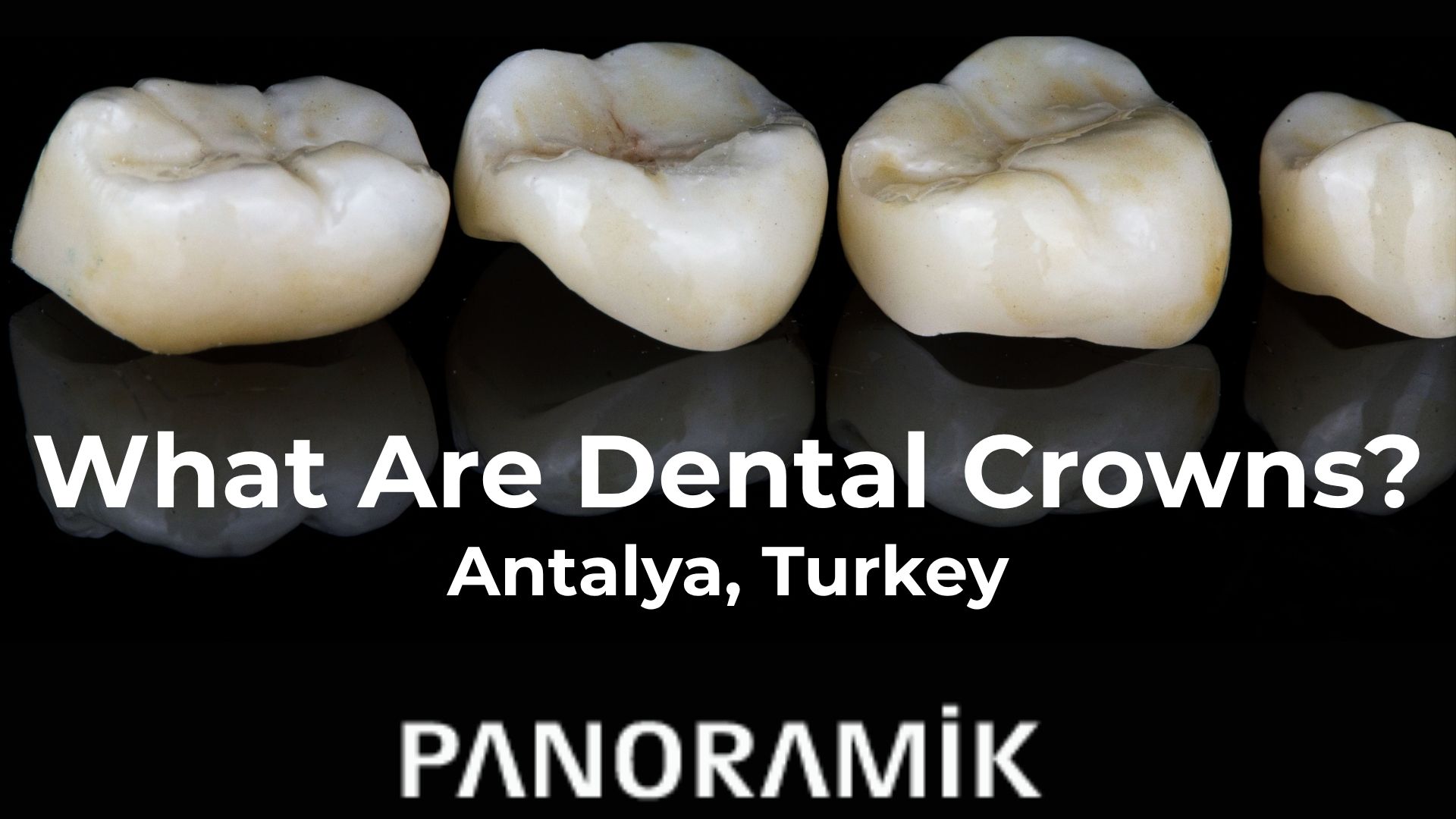
A dental crown is a custom-made cap that covers the visible part of a tooth above the gum line. It restores the tooth's shape and function while protecting the structure underneath.
Imagine a back tooth with a large filling. Over the years, the remaining walls of the tooth may become too weak to support another filling. A crown can cover and protect what's left, allowing you to chew more comfortably.
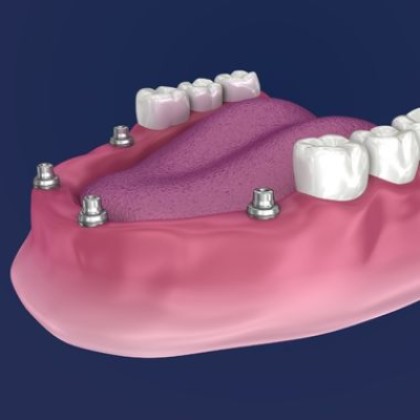
Crowns are also used in dental bridges and implant treatments. When attached to an implant, the crown replaces the visible part of a missing tooth.
One important distinction: a crown placed over a natural tooth doesn't replace the tooth's root. The original tooth remains underneath.
Types of Dental Crowns: What Are They Made Of?
There isn't one crown material that works equally well for every tooth.
A molar at the back of your mouth has to cope with considerable chewing pressure. A front tooth, on the other hand, needs to look natural when you speak or smile. Both strength and appearance matter, but the balance isn't always the same.
Your dentist will also look at how much healthy tooth remains, whether you grind your teeth and how much space is available for the restoration.
Zirconia Crowns
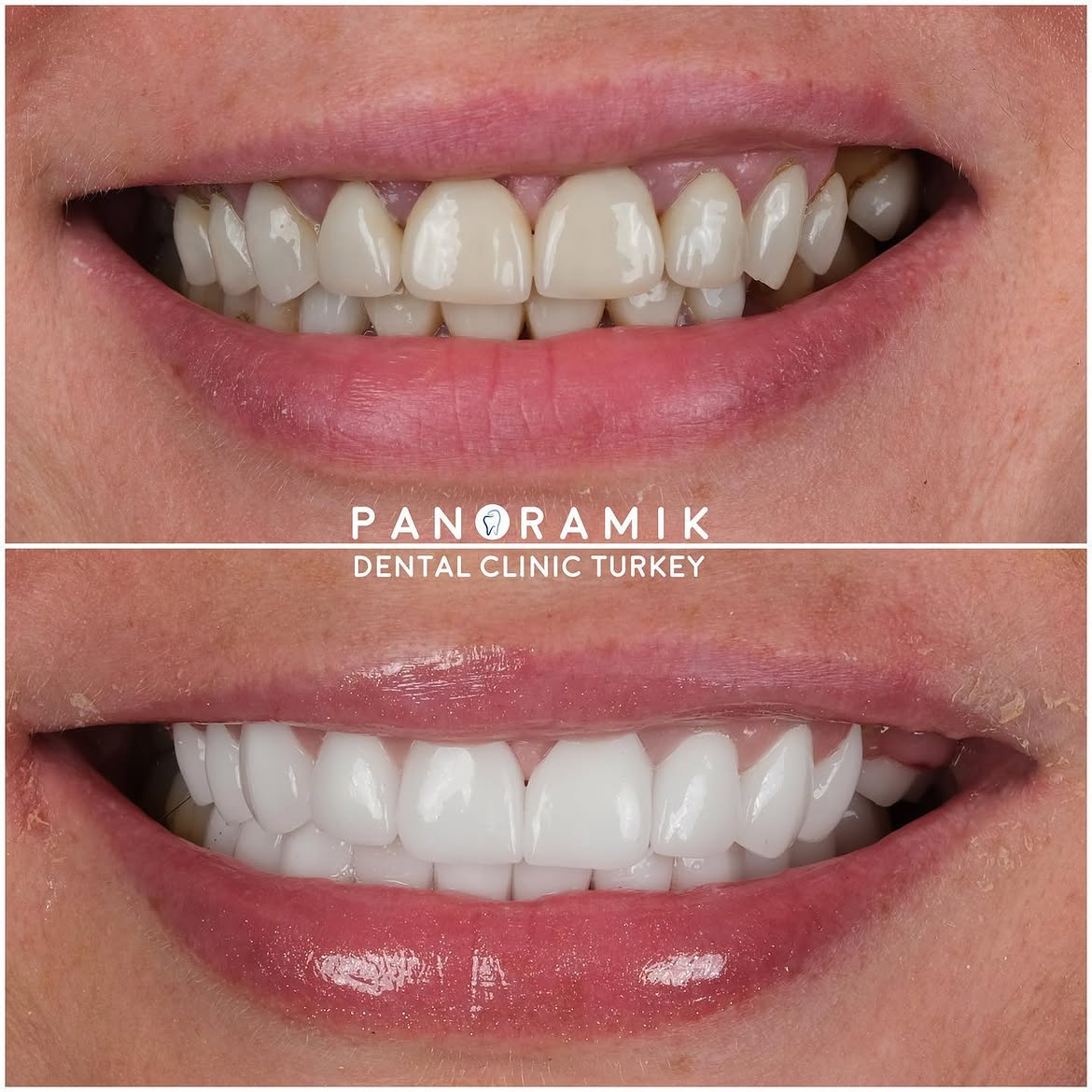
Zirconia Crowns at Panoramik Dental Clinic in Antalya, Turkey
Zirconia is a strong, tooth-coloured ceramic. It's used for both front and back teeth and is often chosen when patients want a metal-free crown.
You may come across two types during your research.
Monolithic zirconia is made from a single piece of ceramic. There's no separate porcelain coating, so there's no outer porcelain layer to chip away. Its high fracture resistance makes it useful for back teeth, particularly molars.
Porcelain-fused-to-zirconia has a zirconia framework covered with porcelain. The outer layer can help create a more natural-looking finish, especially when matching the shade of neighbouring teeth.
The trade-off is that the porcelain can chip. This is worth discussing if you have a particularly strong bite or grind your teeth at night.
E-max (Lithium Disilicate) Crowns
If you're replacing a crown on a front tooth, E-max may be one of the materials your dentist discusses with you.
E-max is a lithium disilicate glass-ceramic. Its translucency allows light to pass through the restoration, helping it resemble natural enamel.
This can make a noticeable difference when the crown sits next to your natural teeth.
E-max isn't suitable for every tooth, though. The amount of space available, the condition of the underlying tooth and the pressure on the restoration all need to be considered.
Gold and Metal Alloy Crowns
Gold crowns might not be the first thing that comes to mind when you're planning a smile makeover, but metal restorations have a long history in dentistry.
They're highly resistant to fracture and can work well on back teeth.
Their appearance is the obvious limitation. If you want a crown that blends in with your other teeth, you'll probably prefer a tooth-coloured material.
Porcelain-Fused-to-Metal (PFM) Crowns
PFM crowns have a metal framework covered with tooth-coloured porcelain.
The metal provides support, while the porcelain gives the restoration a more natural appearance.
They've been used in dentistry for decades, although they do have some limitations. The porcelain may chip, and if the gums recede, a darker metal edge can become visible.
For a back tooth, that may not bother you. On a front tooth, it could be more noticeable.
Stainless Steel Crowns
Stainless steel crowns are mainly used in children's dentistry, particularly when a baby tooth has extensive decay.
They can also serve as temporary restorations in certain situations.
Hybrid and New-Generation Materials
Some newer crowns combine ceramic and polymer-based materials. They may be produced using digital milling machines or 3D printing.
These technologies can make production more efficient, but the materials don't all have the same clinical track record.
If a clinic recommends a newer material, ask what it's made from and why it's suitable for your particular tooth.
What Do Dental Crowns Look Like?
A crown can be the right shade of white and still look out of place.
Natural teeth aren't perfectly uniform. They have subtle differences in shape, colour and translucency. The way a tooth meets the gum also affects how it looks.
When designing a crown, these details matter just as much as choosing the material.
E-max and other all-ceramic crowns can offer a natural-looking result, particularly for visible teeth. Zirconia is another option, with different formulations offering different levels of translucency.
Metal crowns have a visible metallic finish. PFM crowns look tooth-coloured, although their metal framework can sometimes affect the appearance near the gum line.
If you're having several crowns, the dentist will also need to consider how they look together. A set of crowns that are all exactly the same shape and colour may not be the result you're hoping for.
It's worth discussing your expectations before any tooth preparation begins.
Who Is a Good Candidate for a Dental Crown?
A crown is usually considered when a tooth needs more protection than a filling can provide.
But not every damaged tooth needs one. Sometimes a filling, an onlay or another less invasive restoration will do the job.
Here are some of the situations in which a crown may be recommended.
Teeth With Large Fillings
A filling replaces missing tooth structure, but it doesn't always provide enough support when very little natural tooth remains.
If a large filling has left the surrounding tooth weak, a crown may help protect it from further damage.
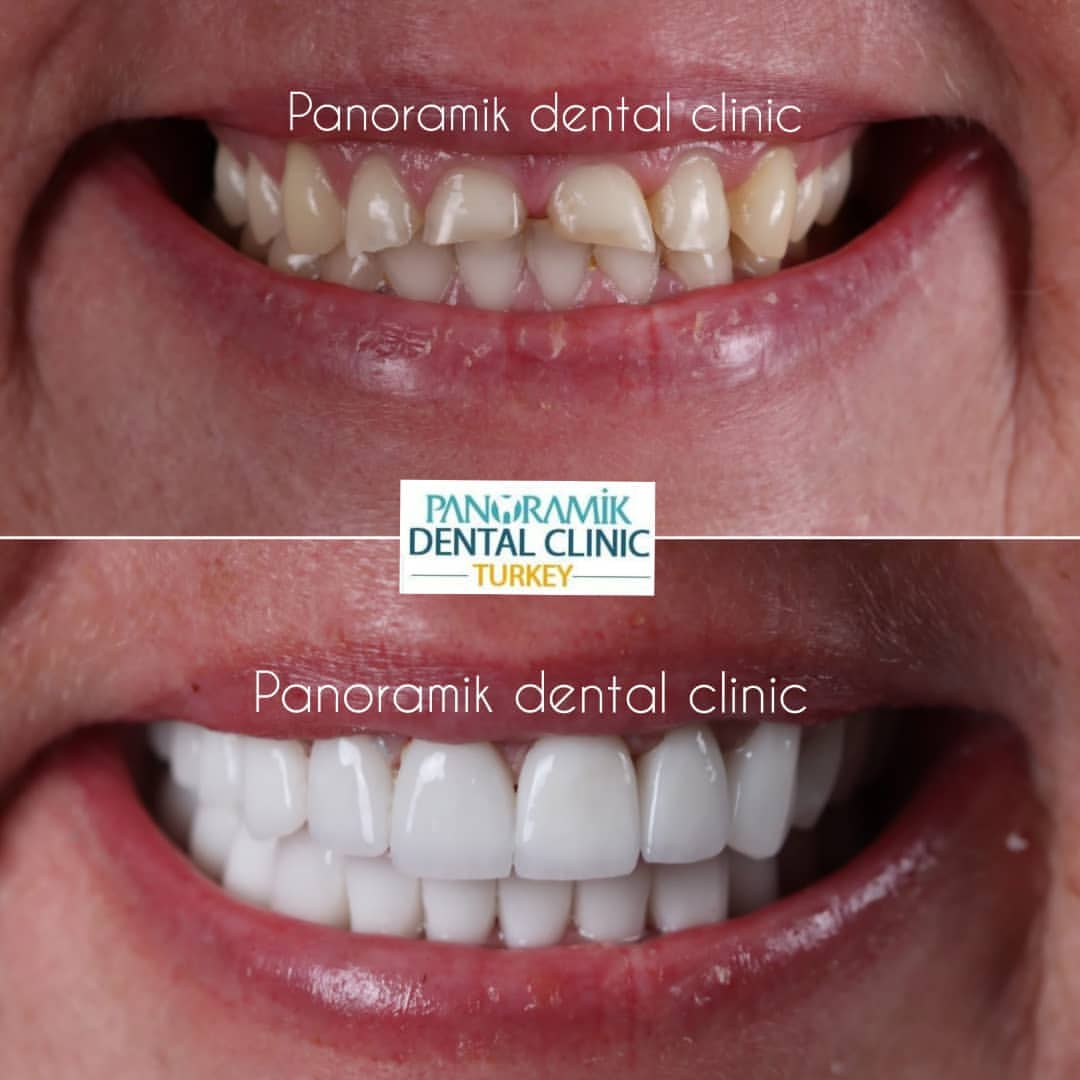
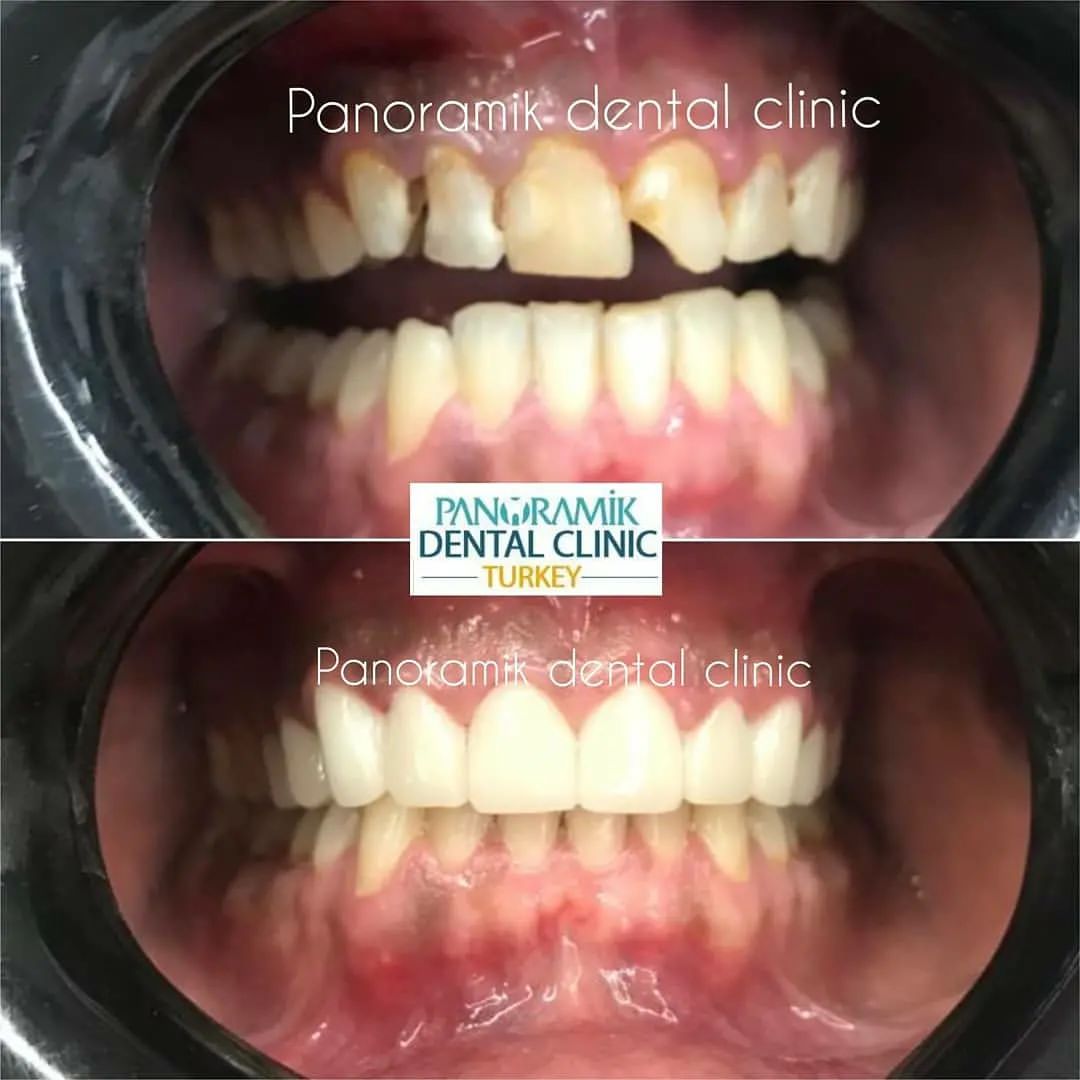
Broken or Cracked Teeth
A crown can sometimes restore a fractured tooth and help protect it during chewing.
However, the location of the crack is important. A fracture that extends deep below the gum line or into the root may make the tooth impossible to restore.
That's why a clinical examination is necessary before deciding on treatment.
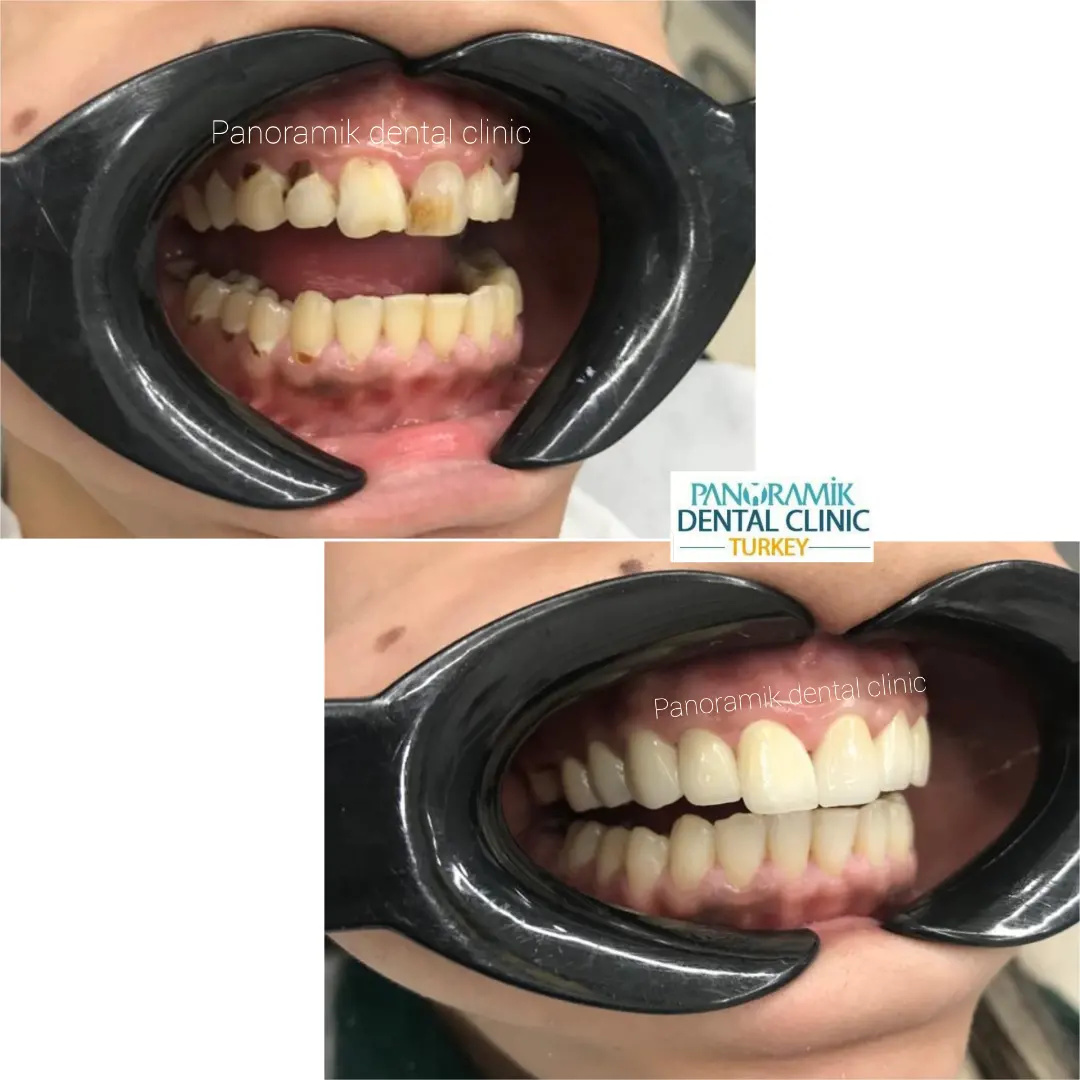
Weakened Teeth
Decay, extensive wear and previous dental work can all leave a tooth vulnerable to further damage.
When a more conservative restoration isn't sufficient, a crown may provide additional protection.
Teeth After Root Canal Treatment
Does every root canal-treated tooth need a crown? No.
Back teeth often benefit from crowns after root canal treatment, especially when a large amount of tooth structure has been lost.
A front tooth with plenty of healthy structure remaining may not need one.
The decision depends on the tooth's condition rather than the root canal treatment alone.
Missing Teeth and Dental Bridges
Crowns can also help replace missing teeth.
In a conventional dental bridge, crowns are placed on neighbouring teeth to support the replacement tooth.
With an implant, a crown is attached to the implant to replace the visible part of the missing tooth.
Cosmetic and Structural Problems
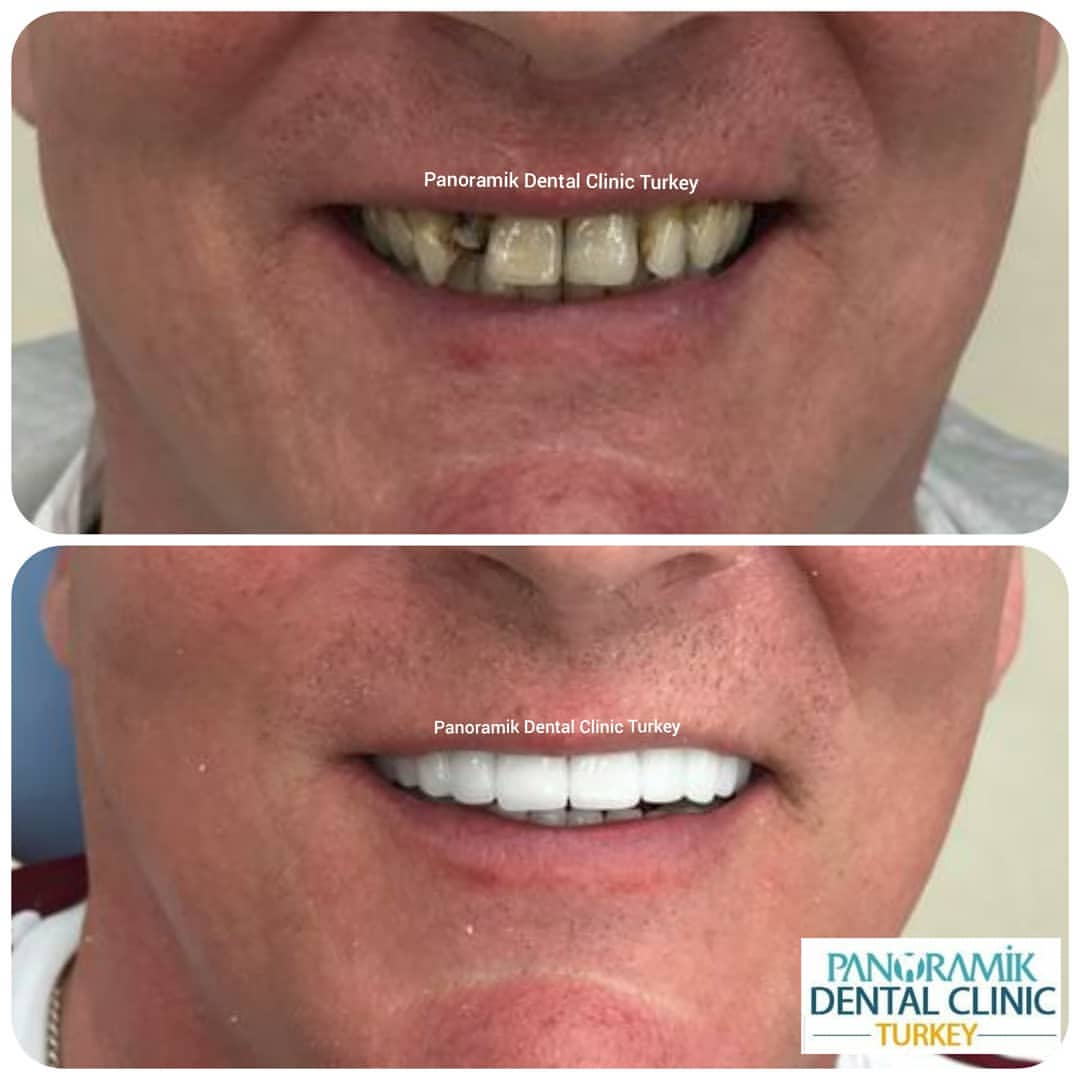
Severe discolouration, extensive wear or developmental defects can sometimes be treated with crowns.
However, if your teeth are otherwise healthy and you're mainly concerned about their appearance, ask whether bonding, whitening or veneers could achieve the result you want.
A crown usually requires more tooth preparation than these alternatives.
Tooth Crown Procedure in Turkey
Getting dental crowns in Turkey usually involves an initial examination, tooth preparation, impressions and a final fitting appointment.
How long the process takes depends on the number of crowns, the material and whether the clinic has its own dental laboratory.
Here's what you can generally expect.
1. Examination and Planning
Your first appointment starts with an examination of your teeth and gums. The dentist may take X-rays to check the condition of the teeth being treated.
You'll also discuss the colour, shape and material of your crowns.
If you're having several teeth restored, the dentist will need to consider your bite and how the crowns will work together.
This is a good time to ask about alternative treatments and how much natural tooth structure will need to be removed.
2. Preparing Your Teeth
The dentist will usually administer a local anaesthetic before preparing the tooth.
A controlled amount of tooth structure is then removed to create space for the crown.
The amount varies. A tooth that's already badly damaged may need a different preparation from a relatively healthy tooth being crowned for cosmetic reasons.
Tooth preparation is generally irreversible, so it's important to understand why a crown is being recommended before going ahead.
3. Taking Impressions
Once the tooth has been prepared, the dentist needs an accurate record of its shape and position.
This can be done with a digital intraoral scanner or conventional impression materials.
Some clinics use CAD/CAM technology to design crowns digitally and send the information directly to a milling machine or dental laboratory.
4. Temporary Crowns
If your permanent crown isn't ready immediately, you'll usually receive a temporary one.
It protects the prepared tooth and helps maintain its appearance while you wait.
Temporary crowns aren't intended to withstand the same demands as permanent restorations. Avoid hard or sticky foods that could damage or dislodge them.
5. Making the Permanent Crown
Your crown is made in a dental laboratory or, in some cases, at the clinic.
Some restorations can be produced relatively quickly using in-house CAD/CAM equipment. Others require several days of laboratory work.
The number of crowns and any additional procedures will also affect the treatment schedule.
6. Fitting Your New Crown
When the permanent crown is ready, the dentist will check its fit, colour and contact with the surrounding teeth.
You'll be asked to bite together so any areas that feel too high can be adjusted.
Once everything has been checked, the crown is permanently cemented or bonded in place.
If your bite feels different afterwards, don't ignore it. A crown that sits slightly too high may need a small adjustment.
Recovery After Getting a Dental Crown
Most people can return to their usual activities shortly after having a crown fitted.
You may notice some tenderness around the gums or sensitivity to hot and cold drinks. This is fairly common after tooth preparation and often settles within a few days.
If you've had additional treatment, such as a root canal or gum procedure, recovery may take longer.
Will My Tooth Hurt Afterwards?
Local anaesthesia is usually used during tooth preparation to minimise discomfort.
Once it wears off, some sensitivity is possible.
A little tenderness for a few days isn't unusual, but persistent or worsening pain should be checked. Pain when biting may indicate that the crown needs adjusting or that there's another problem with the tooth.
When Can I Eat Normally?
Wait until the numbness has worn off before eating. Otherwise, you could accidentally bite your cheek or tongue.
If you're wearing a temporary crown, avoid hard and sticky foods.
After your permanent crown has been fitted, follow your dentist's instructions about eating and chewing, particularly while the dental cement is setting.
Looking After Your Gums
Continue brushing and cleaning between your teeth, following any specific advice from your dentist.
Pay attention to the area where the crown meets the gum. Plaque can collect there, and the natural tooth underneath can still develop decay.
Advantages and Disadvantages of Dental Crowns
A crown can make a damaged tooth more comfortable to use and help protect it from further damage. But it's still a restoration, not a replacement for healthy natural tooth structure.
Before deciding on treatment, consider both sides.
Advantages
They restore chewing function. If a tooth has lost much of its original shape, a crown can help you bite and chew more comfortably.
They protect weakened teeth. A crown covers the remaining tooth structure and may reduce the risk of further damage.
They can improve appearance. Tooth-coloured materials can be matched to the surrounding teeth, which is particularly useful when restoring a visible tooth.
They have several uses. Crowns can restore natural teeth, support dental bridges or be attached to implants.
They can last for years. With appropriate treatment and regular care, many crowns remain functional for a decade or longer.
Disadvantages
The biggest consideration is tooth preparation. A conventional crown usually requires the removal of some natural tooth structure, and that process can't be reversed.
There are other limitations, too.
Ceramic crowns can chip or fracture. Some people experience sensitivity after treatment, and a crown may eventually need replacing.
The tooth underneath isn't immune to decay, either. If plaque builds up around the crown margin, problems can develop even when the crown itself looks fine.
This is why a crown shouldn't automatically be the first choice for a healthy tooth that only needs a small cosmetic improvement.
How Long Do Dental Crowns Last?
Dental crowns often last around 10–15 years, although some remain in good condition for much longer.
There isn't a fixed replacement date. A crown doesn't suddenly stop working after ten years.
Its lifespan depends on the material, how well it fits, the condition of the underlying tooth and how you look after it.
Your bite matters as well. Someone who grinds their teeth at night may put considerably more pressure on a crown than someone who doesn't.
Here's how the main materials compare.
| Crown Material | Durability and Clinical Considerations |
|---|---|
| Gold and metal alloys | Have a long history of clinical use and offer excellent resistance to fracture. |
| Porcelain-fused-to-metal | Can provide long-lasting results, although the porcelain layer may chip. |
| Zirconia | Offers high fracture resistance, particularly in monolithic restorations. |
| E-max | Provides a balance of aesthetics and strength when used in suitable clinical situations. |
If you're choosing between materials, don't focus on lifespan alone.
A material that works well for a back molar may not give you the appearance you want for a front tooth. The condition of the tooth and your bite are just as important as the material itself.
Dental Crown Costs in Turkey
Dental crown prices in Turkey vary from clinic to clinic. The material makes a difference, but so does the condition of the tooth.
For example, a tooth that needs root canal treatment or a build-up before the crown is fitted will usually cost more to restore than one that only needs a crown.
The following figures are Panoramik Dental Clinic's average published prices per tooth in GBP. Prices at other clinics may vary.
| Crown Type | Average Price per Tooth |
|---|---|
| Porcelain-Fused-to-Metal (PFM) | £90 |
| Zirconia | £140 |
| E-max (Lithium Disilicate) | £170 |
Gold, stainless steel and hybrid crowns aren't part of the standard price list above — ask your dentist for a quotation if one of these materials suits your case.
These prices can help you understand the potential cost, but you'll need a personalised treatment plan for an accurate quotation.
Ask whether examinations, X-rays, temporary crowns and any additional procedures are included.
How Much Does a Full Set of Dental Crowns Cost in Turkey?
If you're having several crowns, the total cost will depend on the number of teeth, the materials and whether you need any additional treatment.
The following package estimates are based on the average per-tooth prices above.
| Treatment | Average Cost |
|---|---|
| 20 Zirconia Crowns | £2,800 |
| 24 PFM Crowns | £2,160 |
| 24 Zirconia Crowns | £3,360 |
| Full Smile Restoration, E-max (20+ Crowns) | From approximately £3,400 |
Some clinics include hotel accommodation and airport transfers in their packages. Others charge separately.
Before booking, request a written quotation that explains exactly what's included.
It's also worth asking about follow-up care. If a crown needs adjusting after you've returned home, you'll want to know how the clinic handles it.
Dental Crowns on Front Teeth
Front teeth need particular attention because they're visible when you smile, speak and laugh.
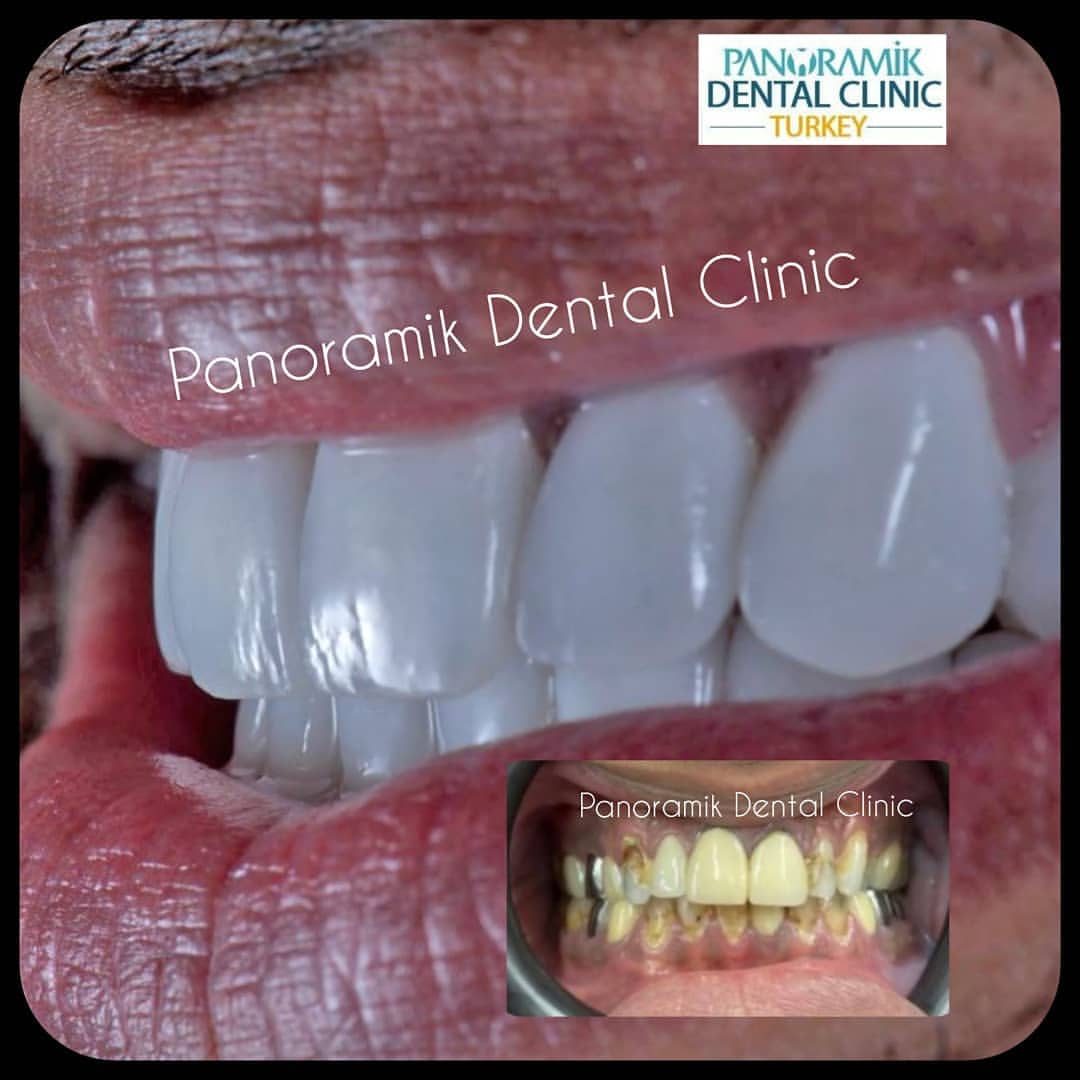
A crown that's slightly different in colour or shape may be noticeable, especially if it's next to your natural teeth.
E-max is often considered for front teeth because of its translucency. Zirconia is another option, with different formulations offering different levels of translucency.
PFM crowns can also be used, although the metal framework may affect the appearance near the gum line.
The material is only one part of the result. The shape of the crown, the colour of the underlying tooth and the way the restoration meets the gum all matter.
If you're having a single front tooth crowned, ask your dentist how the shade will be matched to the teeth beside it.
Dental Crown vs Dental Veneer
Crowns and veneers can both improve your smile, but they don't do the same job.
A crown covers the visible part of the tooth above the gum line. A conventional veneer is bonded mainly to the front surface.
That difference matters because crowns usually require more tooth preparation.
| Feature | Dental Crown | Dental Veneer |
|---|---|---|
| Coverage | Covers the visible portion of the tooth above the gum line. | Covers mainly the front surface. |
| Main Purpose | Restores and protects damaged or weakened teeth. | Primarily improves the appearance of teeth. |
| Tooth Preparation | Usually requires preparation around the tooth. | Often requires less preparation, depending on the case. |
| Common Uses | Extensive decay, fractures and structural damage. | Discolouration, minor chips and gaps. |
| Durability | Can last for many years with appropriate care. | Can also provide long-lasting results when properly maintained. |
If your tooth has extensive damage, a crown may provide the protection it needs.
If it's healthy and you're mainly unhappy with its appearance, a veneer or another conservative treatment may be worth discussing first.
How to Care for Dental Crowns
A crown doesn't need a complicated cleaning routine, but it does need the same daily attention as your natural teeth.
The crown itself can't develop decay. The tooth underneath can.
Plaque tends to collect around the edges of restorations, particularly near the gum line. Keeping this area clean is one of the most important things you can do to protect your crown.
Brush twice a day with fluoride toothpaste and clean between your teeth daily using floss or interdental brushes.
Try not to chew ice or use your teeth to open packaging. These habits can damage both crowns and natural teeth.
If you grind your teeth at night, ask your dentist whether a custom-made night guard would help.
Regular check-ups are important, too. Your dentist can examine the crown margins, check the surrounding gums and identify problems before they become more serious.
If a crown feels loose or your bite changes, arrange an appointment rather than waiting for it to fall off.
Frequently Asked Questions About Dental Crowns
What Is a Dental Cap?
A dental cap is another name for a dental crown. It's a custom-made restoration that covers a tooth to restore its shape, strength and appearance. Crowns can also be attached to dental implants to replace missing teeth.
Does Getting a Dental Crown Hurt?
Your dentist will usually use a local anaesthetic before preparing the tooth, so you shouldn't experience significant pain during the procedure. Some sensitivity afterwards is normal.
If the discomfort gets worse or doesn't settle, contact your dentist.
Are Crowns Better Than Veneers?
It depends on what your tooth needs. A crown is generally used to restore and protect a damaged or weakened tooth. A veneer is mainly used to improve appearance when enough healthy tooth structure remains.
Neither is automatically the better choice.
What Is the Downside of Crowns on Teeth?
The main drawback is that some natural tooth structure usually has to be removed to make room for the crown. This is generally irreversible.
Crowns can also chip, loosen or need replacing over time. The natural tooth underneath still needs regular care.
How Long Do Crowns Last on Front Teeth?
Front tooth crowns often last around 10–15 years, although some last considerably longer. Their lifespan depends on the material, the condition of the underlying tooth, oral hygiene and biting forces.
How Many Days Do You Need in Turkey for Dental Crowns?
Many patients need approximately 3–7 days for crown treatment in Turkey, although the exact duration varies.
If you're having several crowns or need additional procedures, you may need to stay longer. Some clinics can produce certain restorations more quickly using in-house CAD/CAM technology.
Can You Eat Normally After Getting a Dental Crown?
Most people can return to their usual diet after permanent crown placement, following their dentist's instructions.
Wait until the local anaesthetic has worn off before eating. If you have a temporary crown, avoid hard and sticky foods that could dislodge it.
Can a Dental Crown Be Replaced?
Yes. If a crown becomes damaged, loose or no longer fits properly, your dentist can assess whether it needs replacing.
Sometimes the existing crown can be recemented. In other cases, a new restoration or additional treatment may be necessary.
What Happens If a Dental Crown Falls Off?
Keep the crown somewhere clean and contact your dentist as soon as possible.
Avoid chewing on the exposed tooth, and don't try to reattach the crown with household glue. Your dentist will check whether it can be safely recemented or needs replacing.
How Much Tooth Structure Is Removed for a Crown?
The amount depends on the crown material, the condition of your tooth and the space available for the restoration.
Your dentist will remove enough tooth structure to allow the crown to fit while aiming to preserve as much healthy tissue as possible. Because this preparation is generally irreversible, it's worth discussing the alternatives before treatment.