






Composite Dental Bonding in Antalya, Turkey
If you're looking for a fast, affordable way to fix chipped, gapped, or discoloured teeth, composite bonding in Antalya, Turkey, is one of the most popular cosmetic dental treatments. At Panoramik Dental Clinic, composite dental bonding is often completed in a single visit, with little or no enamel removal and no need for anaesthesia.
Composite bonding is a minimally invasive cosmetic dental treatment that restores chipped, cracked, stained, or uneven teeth while preserving as much of the natural tooth structure as possible.
What is composite bonding?
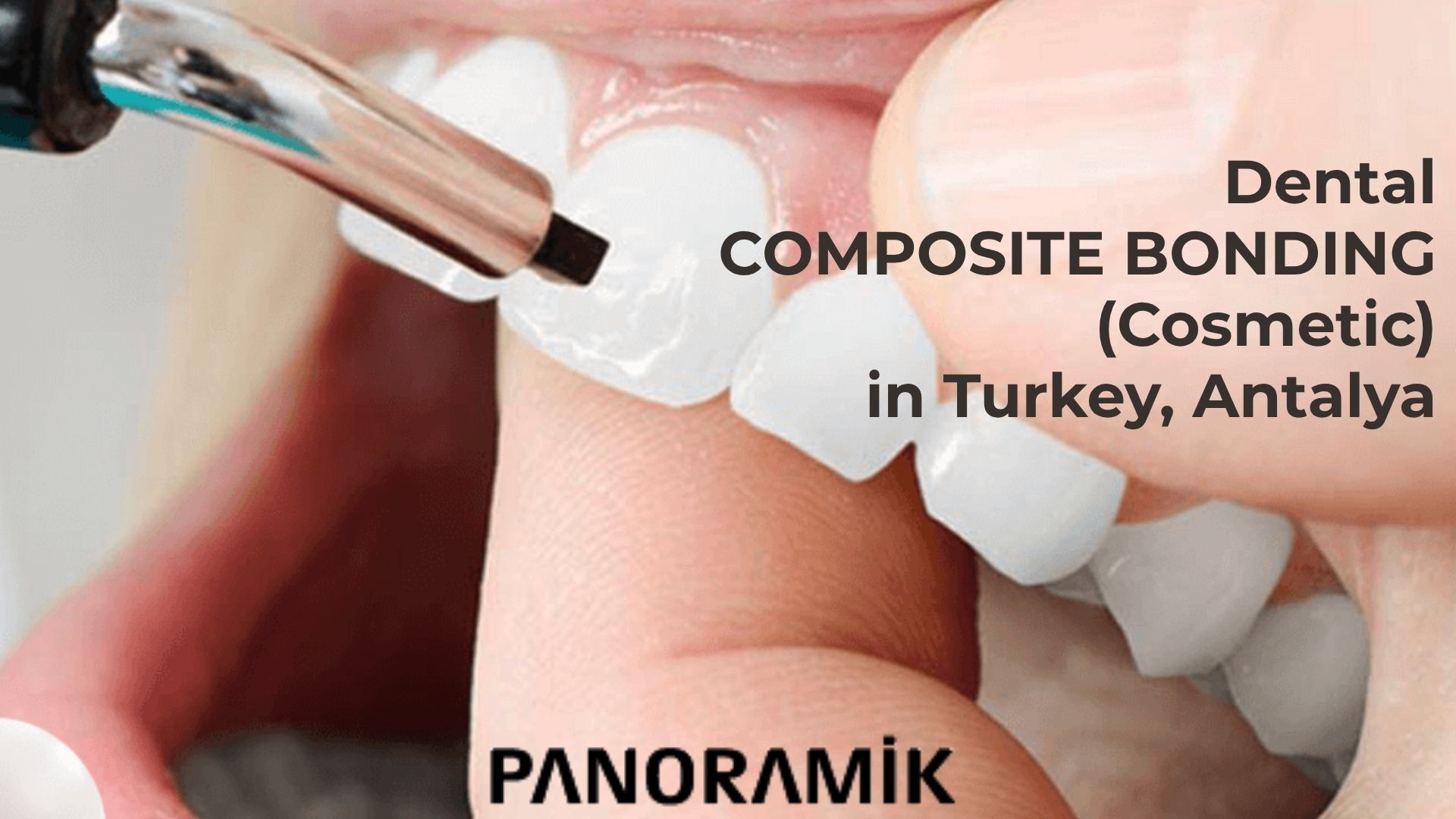
Composite bonding is a procedure in which a tooth-coloured composite resin material is applied to your teeth to enhance their aesthetic appearance. Composite bonding treatment can be used to repair chipped teeth, fill gaps between teeth, or alter the shape or colour of a tooth.
Unlike porcelain veneers or crowns, composite bonding is usually considered reversible because it typically requires little or no removal of healthy tooth enamel in Antalya.
Who is suitable for dental bonding?
Composite bonding may be suitable for the following cases:
- Composite bonding is suitable for teeth with minor chips, cracks, wear, or cosmetic imperfections, provided there is no significant decay or structural damage.
- Dental bonding is ideal for patients who are satisfied with the natural shade of their teeth but wish to improve their shape or repair minor imperfections.
- People with gaps between their teeth may also opt for the dental bonding procedure to conceal these gaps while maintaining a natural appearance.
- Composite bonding is ideal for patients who want a same-day, minimally invasive alternative to veneers or crowns.
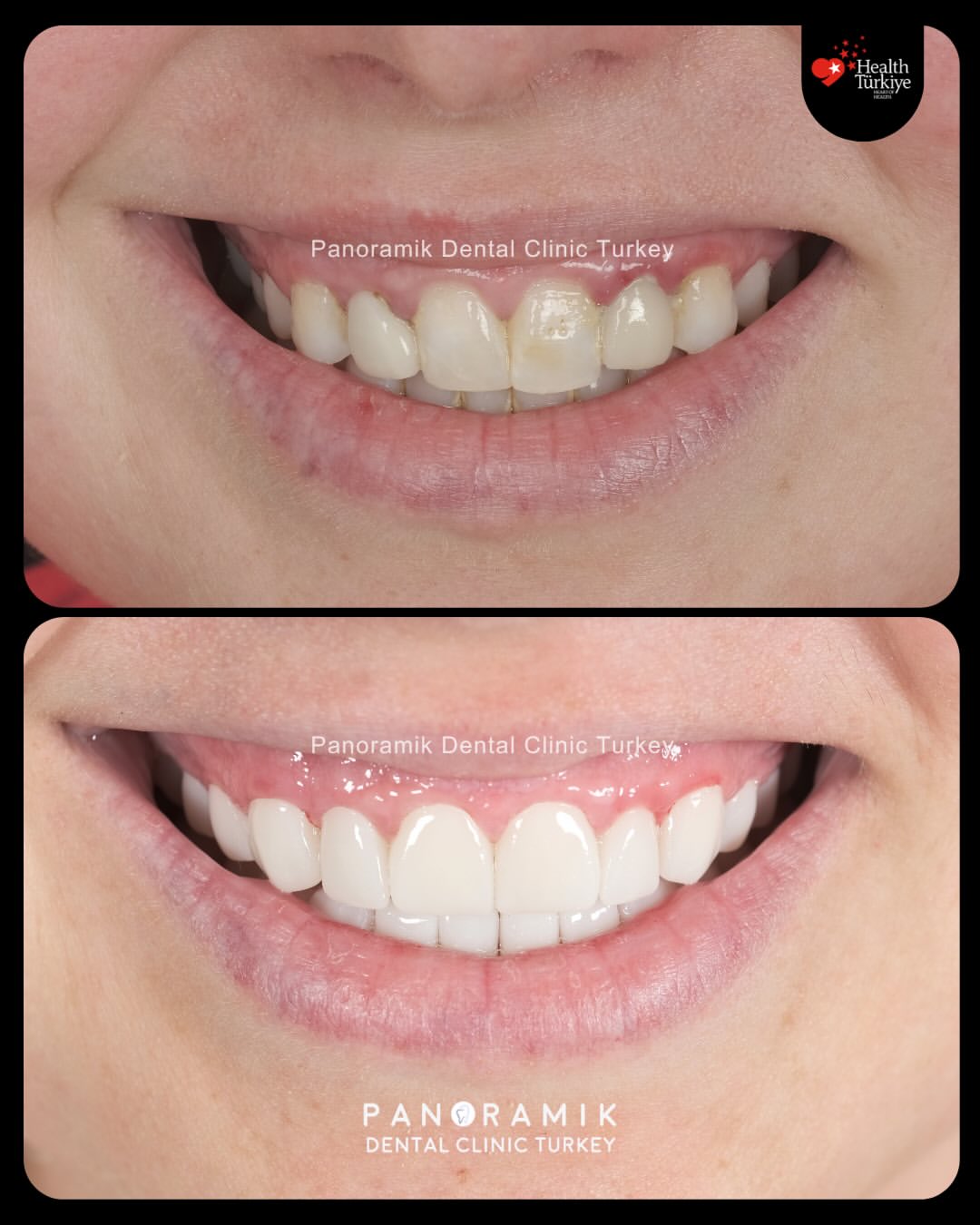
If you have decay, significant misalignment, or want a more dramatic colour change, your dentist may recommend an alternative treatment such as veneers, and the option will be assessed during your consultation.
What are the advantages of Composite Dental Bonding?
Dental bonding offers numerous advantages over other cosmetic treatments. Some of these advantages are listed below.
- Minimally Invasive: Dental bonding typically does not require the removal of enamel, unlike porcelain veneers and dental crowns, which need significant alteration to the tooth.
- Cost-Effective: Dental bonding is one of the most cost-effective cosmetic dental procedures currently available.
- Versatile Treatment: Dental bonding can conceal a wide range of cosmetic imperfections, including chips, cracks, gaps, and discoloration.
- Quick and Convenient: Unlike other cosmetic procedures such as veneers and crowns, which require multiple appointments, dental bonding can be completed in a single visit.
- Natural-Looking Results: Composite resin is colour-matched to blend seamlessly with your natural teeth.
How is composite bonding performed?
Composite bonding treatment consists of three interconnected stages. These stages are, in order:
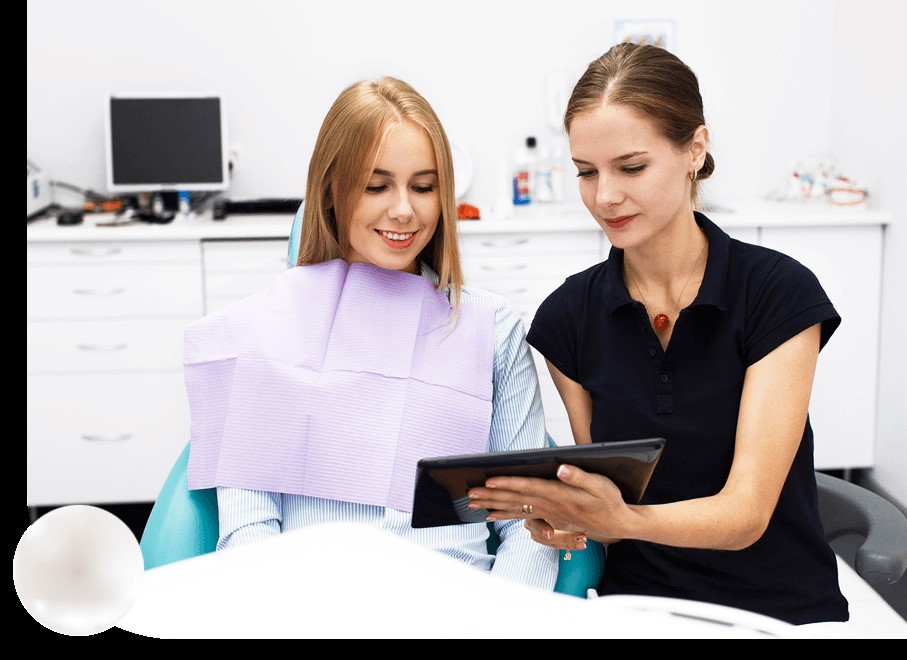
- Preparation: Preliminary preparation is required to carry out the bonding procedure. The dentist first assesses your teeth and discusses your desired outcome before selecting the most appropriate treatment plan. Once the proposed treatment has been discussed and agreed upon, the procedure begins. Anaesthesia is generally not required unless bonding is being used to fill a decayed tooth, the tooth needs to be drilled to alter its shape, or the tooth is close to the nerve. During this stage, a colour guide is used to select a composite resin shade that closely matches the colour of your tooth.
- Bonding Process: During the bonding stage, the tooth’s surface is roughened, and a conditioning liquid is applied to the tooth. This ensures that the bonding material helps the composite resin bond securely to the tooth surface. The paste-like resin, selected to match the tooth’s colour as closely as possible, is then applied to the tooth, moulded and shaped to the desired form. The material is cured using a special curing light. Once the material has cured, it is further refined and shaped. It is then polished to match the lustre of the rest of the tooth’s surface.
- Completion: Composite bonding usually takes between 30 and 90 minutes per tooth, depending on the complexity of the case.
Composite Bonding vs Composite Veneers: What's the difference?
Composite bonding usually refers to smaller, targeted repairs — fixing a chip, closing a small gap, or reshaping one or two teeth. It's typically done freehand, chairside, in a single visit, with the dentist sculpting the resin directly onto the tooth by eye. No lab work, no impressions, no separate design phase — just prep, apply, shape, cure, polish.
Composite veneers are a fuller cosmetic makeover—usually covering most or all of the visible teeth (the "smile zone") to change their overall shape, size, symmetry, or color all at once. The process is more involved: often starting with a digital smile design or wax mock-up so you can preview the result, then building up a thin layer of composite across the whole front surface of each tooth, rather than just patching a specific flaw.
Although both treatments use tooth-coloured composite resin, they serve different cosmetic purposes.
A few practical differences that tend to follow from that:
- Scope: Bonding fixes a problem tooth (or two); veneers enhance the overall appearance of the smile.
- Time: Bonding can take 30–90 minutes per tooth; a full set of composite veneers often takes several hours or a full day.
- Planning: Veneers usually involve more upfront design work (mock-ups, shade planning); bonding is more spontaneous.
- Cost: Bonding is cheaper per tooth since it's less labor-intensive; veneers cost more given the broader scope and planning involved.
- Enamel: Both can be done without removing enamel, but veneers are more likely to involve a small amount of reshaping to get an even, natural-looking result across several teeth.
In short: same material, different job. Bonding patches and composite veneers redesign.
Cosmetic Bonding Cost in Turkey, Antalya
The cost of composite dental bonding in Antalya depends on several factors, including the number of teeth treated, the composite material used, and the complexity of your case. The table below provides a general guide to treatment costs.
| Treatment | Estimated Price | Suitable For |
|---|---|---|
| Composite Bonding (1 Tooth) | £75–£150 | Minor cosmetic improvements or small repairs. |
| Composite Bonding (Average Cost) | £225–£375 per tooth | Most cosmetic bonding treatments using premium composite resin. |
| Full Smile Makeover (8–10 Teeth) | £1,600–£3,500 | Patients seeking a complete smile transformation. |
| Estimated Savings Compared with the UK & USA | 50%–70% | Average savings for international dental patients. |
Note: Prices are intended as a general guide and may vary depending on the number of teeth treated, the composite material used, and your individual treatment plan. A personalised quotation will be provided following your consultation.
Dental bonding is one of the more budget-friendly cosmetic treatments patients travel to Turkey for, and pricing typically depends on the number of teeth, the composite material used, and the clinic itself. Some clinics advertise composite bonding starting as low as £75 to £150 per tooth, while other estimates put the average per-tooth cost closer to £225 to £375.
Full-mouth cases naturally cost more — some Antalya clinics quote full-mouth composite bonding packages ranging from roughly £1,600 to £3,500 depending on how many teeth are involved.
Even at the higher end, patients can often save 50 to 70 percent compared to prices in the US or UK, which is a big part of why bonding — like most cosmetic dental work — has become such a draw for medical tourism in Turkey. As always, it's worth getting a clinic-specific quote, since advertised "starting from" prices don't always reflect what a particular case will actually cost.
Compared with the UK, USA, and many European countries, composite bonding in Antalya offers significant savings while maintaining high treatment standards. Many international patients choose Antalya because they can receive high-quality cosmetic dentistry at a considerably lower cost.
Why choose Panoramik Dental Clinic for cosmetic bonding in Antalya?
At Panoramik Dental Clinic, every cosmetic bonding treatment begins with a comprehensive consultation and smile assessment. Our experienced dentists use high-quality composite materials and modern techniques to achieve natural-looking, long-lasting results while preserving as much healthy tooth structure as possible.
Our experienced dentists create personalised treatment plans based on each patient's oral health, cosmetic goals, and expectations. Every treatment begins with a comprehensive examination to ensure the most appropriate solution is recommended.
Our goal is to achieve aesthetic, functional, and long-lasting results while maintaining a conservative approach to cosmetic dentistry.
Conclusion
Composite dental bonding is one of the quickest and most affordable ways to improve your smile. Whether you want to repair a chipped tooth, close small gaps, or reshape uneven teeth, this minimally invasive treatment offers natural-looking results with little or no preparation. With proper care, composite bonding can provide an attractive, natural-looking smile for many years. If you're considering cosmetic bonding in Antalya, a personalised consultation with an experienced cosmetic dentist is the best way to determine whether this treatment is right for you.
Composite bonding is an excellent choice for repairing minor cosmetic imperfections. However, patients seeking a complete smile makeover or maximum long-term durability may benefit more from porcelain veneers or crowns, depending on their individual needs.
Frequently Asked Questions
Composite bonding is generally painless because it usually requires little or no drilling of the natural tooth. For this reason, local anaesthesia is rarely needed.
Porcelain veneers are custom-made ceramic shells bonded to the front surface of the teeth and usually require a small amount of enamel removal. Composite bonding uses tooth-coloured resin applied directly to the tooth and generally requires little or no preparation. Bonding is more affordable and reversible, while porcelain veneers are typically more durable and stain-resistant.
With good oral hygiene and avoiding habits like nail-biting or biting into hard objects, composite bonding typically lasts 5–8 years before requiring repair, polishing, or replacement.
No — composite resin doesn't respond to whitening treatments the way natural enamel does. It's best to whiten your natural teeth first, then have bonding matched to your desired final shade.
Most composite bonding cases are completed in a single visit lasting a few hours, though patients travelling for a full-mouth case may want to allow 2–3 days to accommodate consultation, treatment, and any adjustments.
Yes. In most cases, composite bonding is considered reversible because it usually requires little or no removal of natural enamel. The composite resin can often be repaired, replaced, or removed without permanently altering the underlying tooth. However, if minor reshaping or preparation was needed before treatment, complete reversibility may not be possible. Your dentist will explain whether any permanent changes are required before treatment begins.
Most single-tooth bonding is done in one visit, usually typically takes between 30 and 90 minutes per tooth. If you're having several teeth done at once, the appointment naturally runs longer, but it's still typically wrapped up in a single sitting rather than spread across multiple visits like veneers or crowns.
Bonding doesn't need any special routine beyond good general oral hygiene—brushing twice a day, flossing, and regular dental check-ups. It's worth being a bit more careful than usual, though: avoid biting on hard objects and foods; don't use your teeth as tools to open packaging, and if you grind your teeth at night, a mouthguard can help protect the bonding from chipping.
Yes, to some degree. Composite resin is more porous than natural enamel, so it can pick up staining from coffee, tea, red wine, and tobacco a bit more readily. Good hygiene and occasional polishing at the dentist help keep it looking fresh, but unlike natural teeth, bonding can't be whitened later—so if staining becomes noticeable, the fix is usually to have it replaced rather than bleached.
For minor cosmetic fixes, most patients find it's a solid option— it is an affordable, minimally invasive, and conservative cosmetic treatment. It's not a permanent fix, though: bonding typically lasts around 5–8 years and is more prone to staining and chipping than veneers or crowns. The value of bonding depends on the specific issue you're addressing; it is typically a great option for minor chips, gaps, or shape adjustments, but for a complete smile makeover or long-term durability, veneers or crowns may be a more worthwhile investment.
One of the biggest advantages of composite bonding is that there is virtually no recovery time. Patients can usually return to eating and their normal daily activities immediately after treatment. However, dentists may recommend avoiding strongly coloured foods and drinks for the first 24–48 hours to minimise the risk of staining.
Bonding may chip.
It can stain over time.
It is less durable than porcelain veneers.
Touch-ups may be required.
Ready to Transform Your Smile?
Contact our experienced cosmetic dentists in Antalya to arrange a personalised consultation and discover whether composite dental bonding is the right treatment for you.
Book Your Consultation