

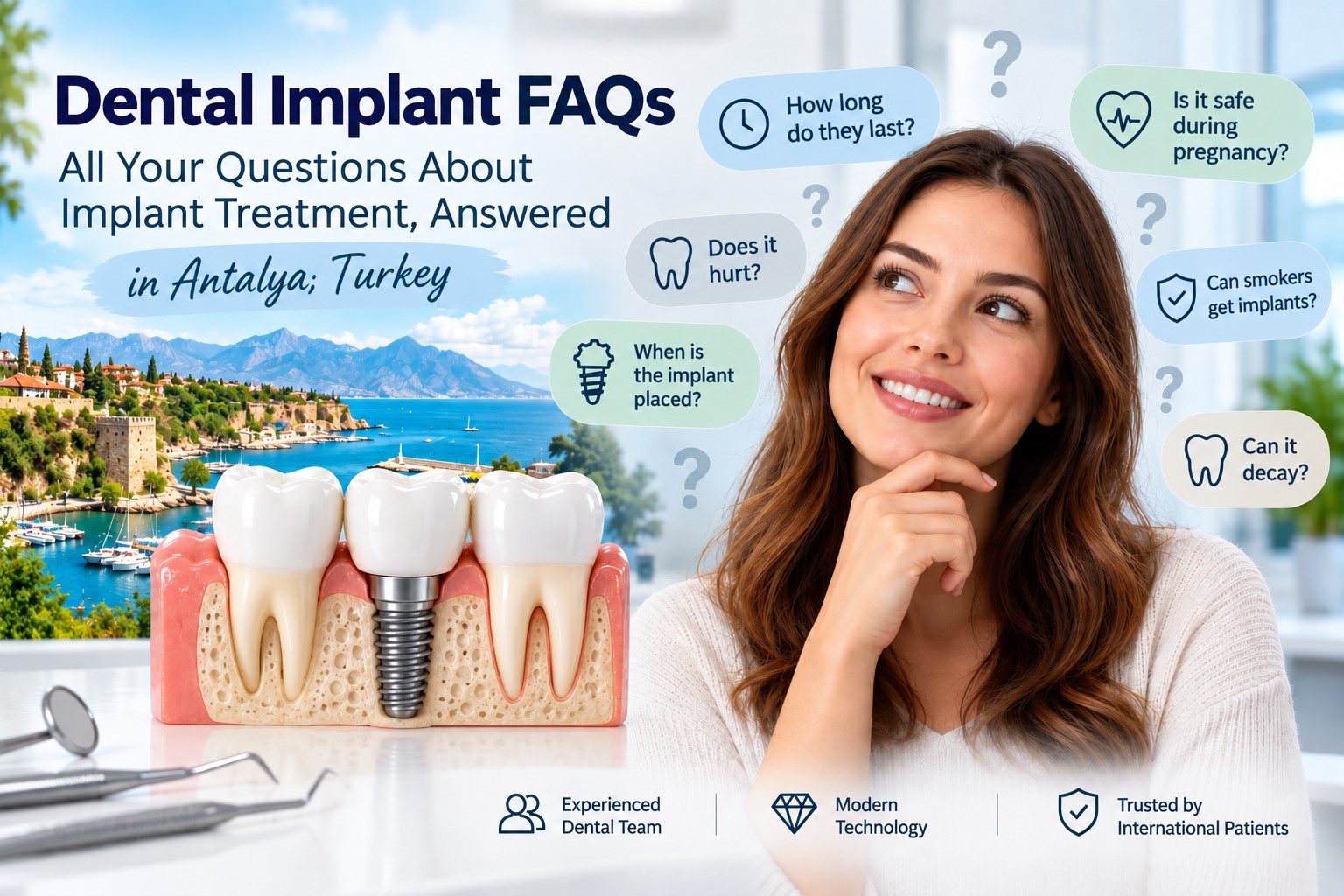
Dental implants are one of the most widely used options for replacing missing teeth. If you are considering dental implants in Antalya, Turkey, you may have questions about pain, treatment time, healing, implant durability, bone loss and aftercare. Understanding each stage of implant treatment can help you know what to expect before travelling, during your treatment and throughout the healing process.
How Long Do Dental Implants Last?
Dental implants are designed to be a long-term tooth replacement option. With successful osseointegration, good oral hygiene, regular dental check-ups and healthy surrounding bone and gum tissue, an implant can remain functional for 20 to 25 years, and in many cases even for a lifetime.
It is also important to distinguish between the dental implant itself and the crown or bridge attached to it. These components may have different lifespans and maintenance requirements. While the titanium implant post can last for decades, the crown or prosthetic restoration attached to it typically has a shorter lifespan of around 10 to 15 years.
The crown or prosthetic restoration attached to the implant may need replacement earlier than this due to normal wear. Smoking, gum disease, poor oral hygiene, excessive biting forces, certain medical conditions and the quality of treatment planning can all shorten this timeline and affect the long-term success of dental implants. Read more about recovery after dental implant treatment.
When Is an Implant Placed After a Tooth Extraction?
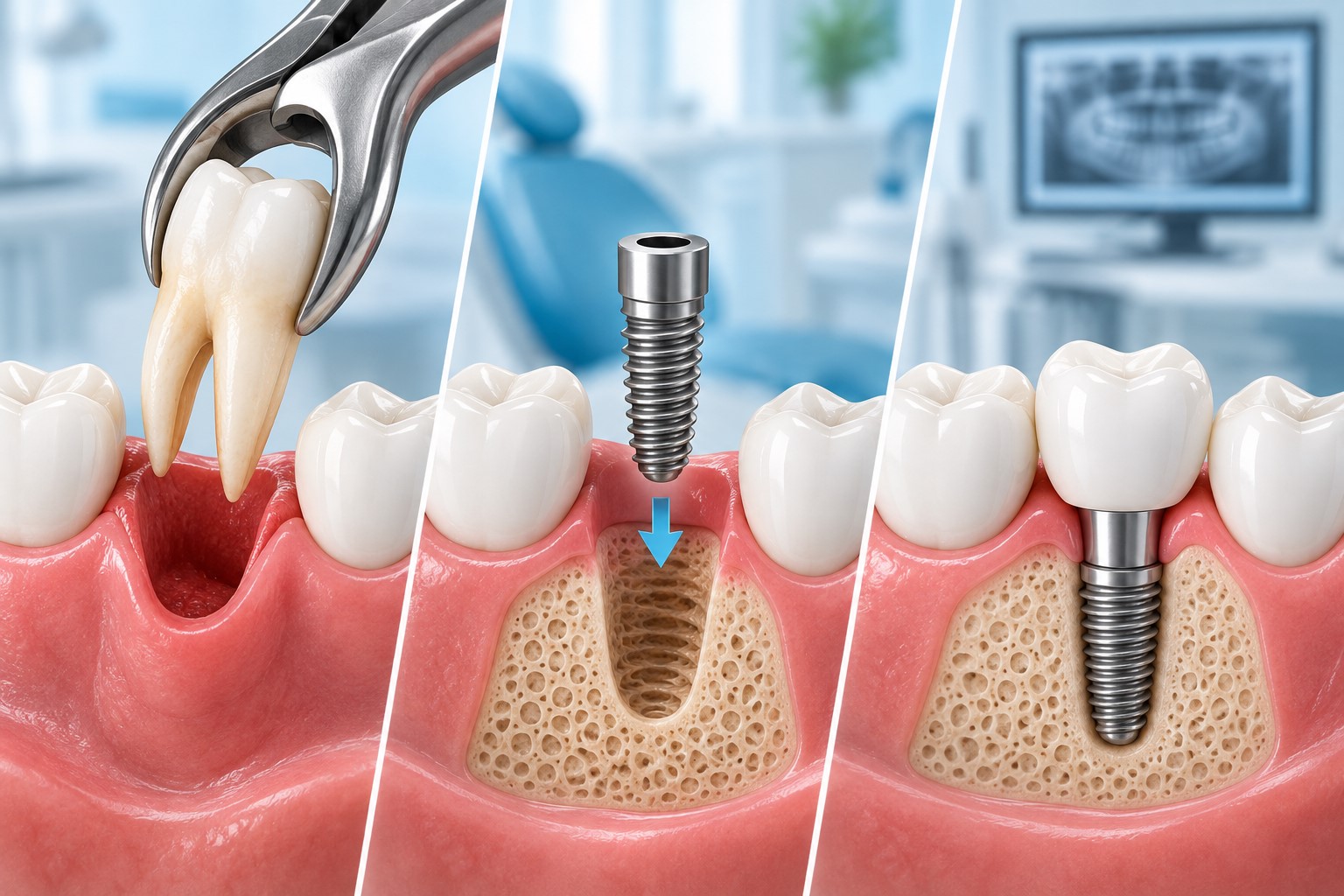
The timing of dental implant placement after a tooth extraction depends on the condition of the extraction socket, the amount of available bone, gum health and whether infection is present.
In suitable cases, an implant may be placed immediately after the tooth is removed. In other cases, the dentist may recommend allowing the extraction site to heal for several weeks or months before implant placement. A clinical examination and dental imaging, such as a panoramic X-ray or CBCT scan, can help determine the most appropriate timing.
Can Dental Implants Get Cavities?
No, dental implants themselves cannot develop cavities because they are not made from natural tooth tissue. However, plaque can still accumulate around an implant and cause inflammation of the surrounding gums.
If inflammation progresses, peri-implant disease can affect the gum tissue and bone supporting the implant. Daily brushing, interdental cleaning and regular dental check-ups are therefore essential even though the implant itself cannot decay.
How Long Does It Take for a Dental Implant to Fuse with the Jawbone?
The process in which a dental implant integrates with the surrounding jawbone is known as osseointegration. Initial gum healing generally occurs much earlier, while osseointegration usually takes several weeks to several months.
The exact healing period varies depending on bone quality, the location of the implant, surgical technique, general health and whether additional procedures such as bone grafting were required. Your dentist will monitor healing before deciding when the next stage of treatment can begin.
Can a Dental Implant Damage the Adjacent Teeth?
Dental implants are designed to replace missing teeth without requiring the neighbouring healthy teeth to be filed down, which is one of their advantages compared with conventional dental bridges. For multiple missing teeth, an implant-supported bridge may be considered.
When an implant is correctly planned and positioned, adjacent teeth are generally not affected. However, accurate assessment of the available space, jawbone and nearby tooth roots is important before surgery to reduce the risk of complications.
Is Swelling Normal After Dental Implant Surgery?
Yes, some swelling after dental implant surgery is normal and is part of the body's natural healing response. Swelling may become more noticeable during the first few days and should then gradually improve.
The amount of swelling varies depending on the complexity of the procedure and whether additional treatments, such as bone grafting or sinus lift surgery, were performed. Severe or worsening swelling, particularly when accompanied by fever, persistent bleeding or increasing pain, should be assessed by a dentist.
Can Smokers Get Dental Implants?
Yes, people who smoke can receive dental implants, but smoking is associated with impaired healing and a higher risk of complications and implant failure. Smoking can affect blood flow to the gums and surrounding tissues, which may interfere with the healing process.
Patients who smoke should discuss their smoking habits with their implant dentist before treatment. Stopping or significantly reducing smoking before and during the healing period may improve treatment outcomes, but the appropriate recommendation should be determined individually by the treating clinician. See our guide to smoking and alcohol use after implant treatment.
Can Dental Implants Be Placed During Pregnancy?
Dental implant placement is generally considered an elective procedure and is usually postponed until after pregnancy. Implant treatment may involve dental imaging, local anaesthesia, medications and a surgical healing period, so the timing should be discussed with both the dentist and the patient's obstetric healthcare professional.
Urgent dental conditions during pregnancy should be assessed separately rather than delayed without professional advice. You can also read about dental treatment during pregnancy.
Do Dental Implants Cause Problems During an MRI?
Most modern dental implants are made from titanium or titanium alloys and are generally compatible with MRI examinations. Having a dental implant does not usually prevent a patient from undergoing an MRI scan.
However, patients should always inform the radiology team about any dental implants, restorations or other implanted medical devices before an MRI examination. Dental materials may occasionally create local imaging artefacts, particularly when the area being scanned is close to the mouth or jaw.
Is Dental Implant Surgery Painful?
Dental implant surgery is usually performed under local anaesthesia, so patients should not feel sharp pain during the procedure, although pressure, movement or vibration may be noticeable.
After the anaesthetic wears off, mild to moderate discomfort, tenderness and swelling may occur. These symptoms can usually be managed with the medication and aftercare instructions recommended by the treating dentist.
Can Someone with Gum Recession Get a Dental Implant?
Yes, gum recession does not automatically prevent someone from receiving a dental implant. However, the dentist needs to assess gum thickness, bone volume, periodontal health and the position of the planned implant before treatment.
Active gum disease should normally be treated before implant placement. In some cases, additional procedures such as bone grafting or soft-tissue grafting may be recommended.
When Can the Permanent Crown Be Placed on a Dental Implant?
The timing of the final implant crown depends on implant stability, bone quality, healing and the treatment protocol being used.
In conventional implant treatment, the dentist usually waits for osseointegration before fitting the permanent restoration, which may take several months. In selected cases, immediate or early loading may be possible.
Does the Dental Implant Brand Matter?
The implant system is one factor to consider, but brand alone does not determine the success of dental implant treatment. Clinical evidence, implant design, material quality, availability of replacement components and long-term manufacturer support are all important considerations.
Successful treatment also depends heavily on diagnosis, treatment planning, surgical technique, bone and gum health, oral hygiene and long-term maintenance. Learn more about dental implant brands and their differences.
Can You Get Dental Implants If You Don't Have Enough Bone?
Yes, having insufficient jawbone does not necessarily mean dental implant treatment is impossible. The dentist can assess bone height, width and density through a clinical examination and, when appropriate, 3D CBCT imaging.
Depending on the location and extent of bone loss, treatment options may include bone grafting, guided bone regeneration or a sinus lift in the upper posterior jaw.
How Long Does Dental Implant Treatment Take?
The overall duration of dental implant treatment varies from patient to patient. Some straightforward cases can progress relatively quickly, while treatments involving tooth extraction, bone grafting or sinus lift surgery may require a longer healing period.
After implant placement, the implant is generally allowed time to integrate with the jawbone before the final crown or prosthesis is fitted. Your dentist will provide an individual treatment timeline based on your clinical examination and imaging results.
| Treatment Stage | Typical Timing |
|---|---|
| Consultation and CBCT | Initial appointment |
| Implant placement | Surgical appointment |
| Osseointegration | Several weeks to several months |
| Final restoration | After sufficient healing |
The total treatment period may be longer if bone grafting, a sinus lift or another preparatory procedure is required.
What Are the Risks and Possible Complications of Dental Implants?
Dental implant treatment has a high level of predictability when appropriately planned, but like any surgical procedure, it is not completely free from risks. Possible complications can include infection, delayed healing, implant failure, gum inflammation, bone loss or problems with the implant-supported restoration.
Careful diagnosis, appropriate imaging, correct implant positioning and good aftercare can help reduce these risks.
Are Dental Implants Safe in Antalya, Turkey?
Dental implants are generally considered a predictable tooth replacement treatment when patients are appropriately assessed and treatment is correctly planned. As with any surgical procedure, however, complications are possible.
Patient suitability, bone and gum health, accurate treatment planning, implant positioning and appropriate aftercare all play an important role in the safety and long-term success of dental implant treatment.
What Happens If a Dental Implant Fails?
An implant may fail to integrate with the jawbone or may lose stability later because of factors such as infection, excessive mechanical forces, smoking, poor oral hygiene or loss of supporting bone.
If an implant fails, the dentist will assess the cause and determine the appropriate next step. Bone grafting or another additional procedure may be required before retreatment. Read about the signs of a failed dental implant.
How Do You Clean and Care for Dental Implants?
Dental implants require regular daily cleaning just like natural teeth. Patients should brush carefully around the implant restoration and clean between the teeth using dental floss, interdental brushes or other cleaning tools recommended by their dentist.
Regular professional check-ups and dental hygiene appointments are also important because plaque accumulation around an implant can contribute to peri-implant inflammation and bone loss.
Can Dental Implants Be Done in One Day?
Yes, in selected cases. An implant may be placed immediately after tooth extraction and a temporary restoration may sometimes be fitted on the same day.
However, same-day treatment is not suitable for every patient. Adequate bone, good primary implant stability, healthy gum tissue and favourable bite conditions must be assessed. See our page about same-day dental implants.
Who May Not Be Suitable for Dental Implants?
Most adults can be considered for dental implant treatment, but suitability must be assessed individually. Active gum disease, inadequate bone, uncontrolled medical conditions, poor oral hygiene or heavy smoking may increase the risk of complications.
These factors do not always mean that implant treatment is impossible. Existing dental or medical issues can often be managed before treatment is reconsidered.
How Much Do Dental Implants Cost in Antalya, Turkey?
Dental implant prices in Antalya and elsewhere in Turkey vary depending on the implant system, the type of restoration, the number of implants required and whether additional procedures such as bone grafting or sinus lift surgery are needed.
As an indicative 2026 market range, a single dental implant fixture in Turkey may cost approximately £600–£1,100. When the implant, abutment and final crown are considered together, complete single-tooth implant treatment may typically be around £750–£1,400. See our guide to the price of a single dental implant.
| Treatment | Approximate Cost in Turkey |
|---|---|
| Single Dental Implant Fixture | £600–£1,100 |
| Implant + Abutment + Crown | £750–£1,400 |
These figures are indicative market ranges rather than fixed treatment prices. The final cost can only be determined after assessing the patient's dental condition, bone structure, treatment requirements and the implant system being used.
How Long Do I Need to Stay in Antalya for Dental Implant Treatment?
The length of stay in Antalya depends on the type and complexity of dental implant treatment. A straightforward implant procedure may require a relatively short visit, while multiple implants, full-arch restorations, bone grafting or sinus lift procedures may require additional appointments or a longer stay.
Dental implant treatment is also commonly completed in stages. Patients may return home during the osseointegration period and travel back to Antalya once the implants have healed sufficiently for the final crown, bridge or fixed prosthesis to be fitted. The required number of visits and length of stay should therefore be confirmed in the individual treatment plan before travel.
What Should International Patients Consider Before Getting Dental Implants in Antalya, Turkey?
International patients considering dental implants in Antalya should look beyond price alone. Important factors include the dental team's experience with implant treatment, the healthcare facility in which treatment will be performed, diagnostic imaging and treatment planning, the implant system being used and the type of final restoration.
Patients should also understand exactly what is included in the treatment plan, whether temporary teeth will be required, how many visits to Antalya may be necessary and what aftercare will be available after returning home. A written treatment plan can make it easier to understand the proposed procedures, treatment stages and expected costs before travelling. More information is available in our guide to dental treatments in Turkey.
Can I Fly After Dental Implant Surgery?
Many patients can travel by air after uncomplicated dental implant treatment, but the appropriate timing depends on the type and extent of surgery performed.
Patients who have undergone additional procedures, particularly a sinus lift or more extensive oral surgery, may receive different travel recommendations. For this reason, international patients should ask their treating dentist when it is appropriate to fly based on their individual procedure and healing progress.
Dental Implant Patient Reviews in Antalya, Turkey
Dental Implants Before and After in Antalya, Turkey


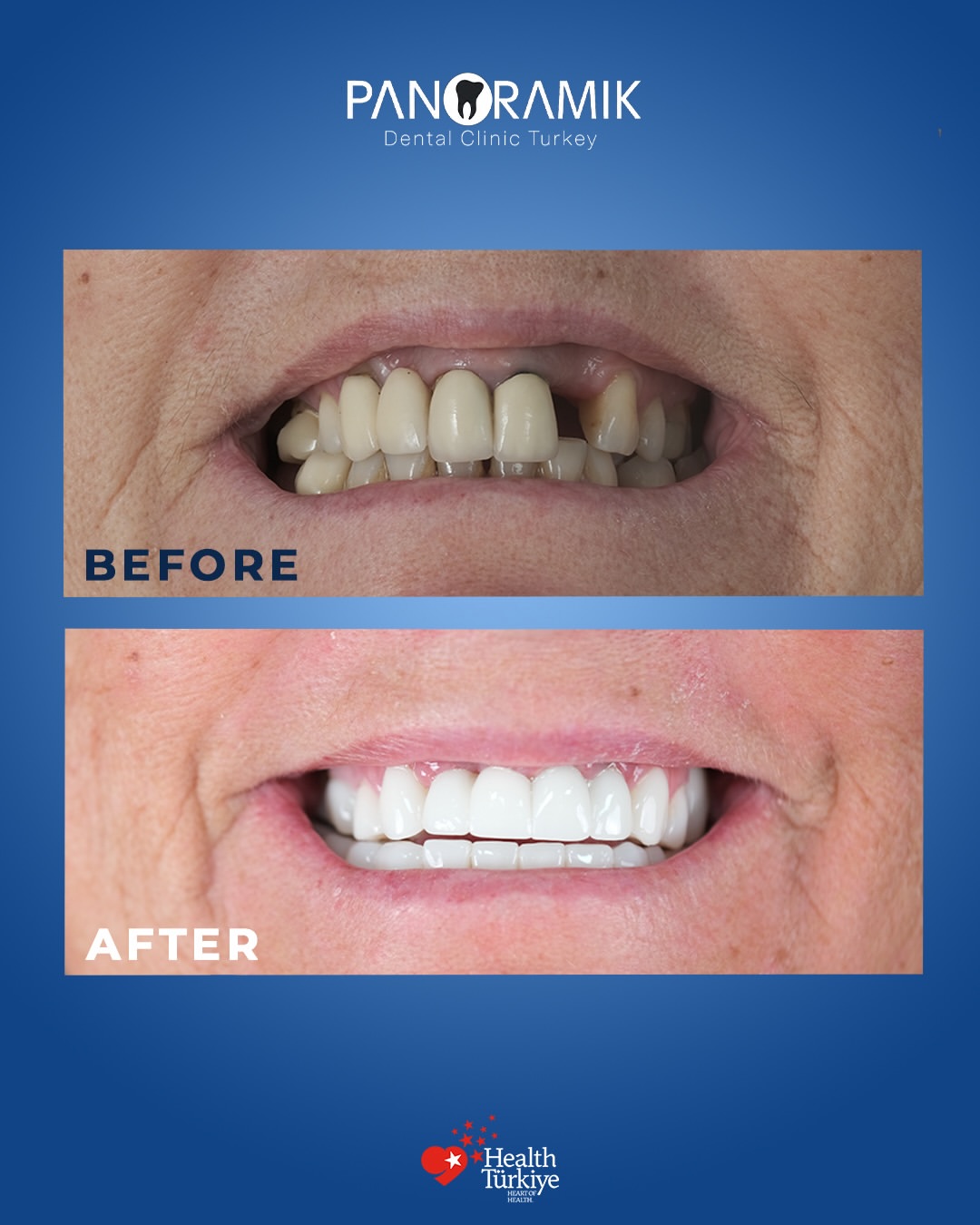


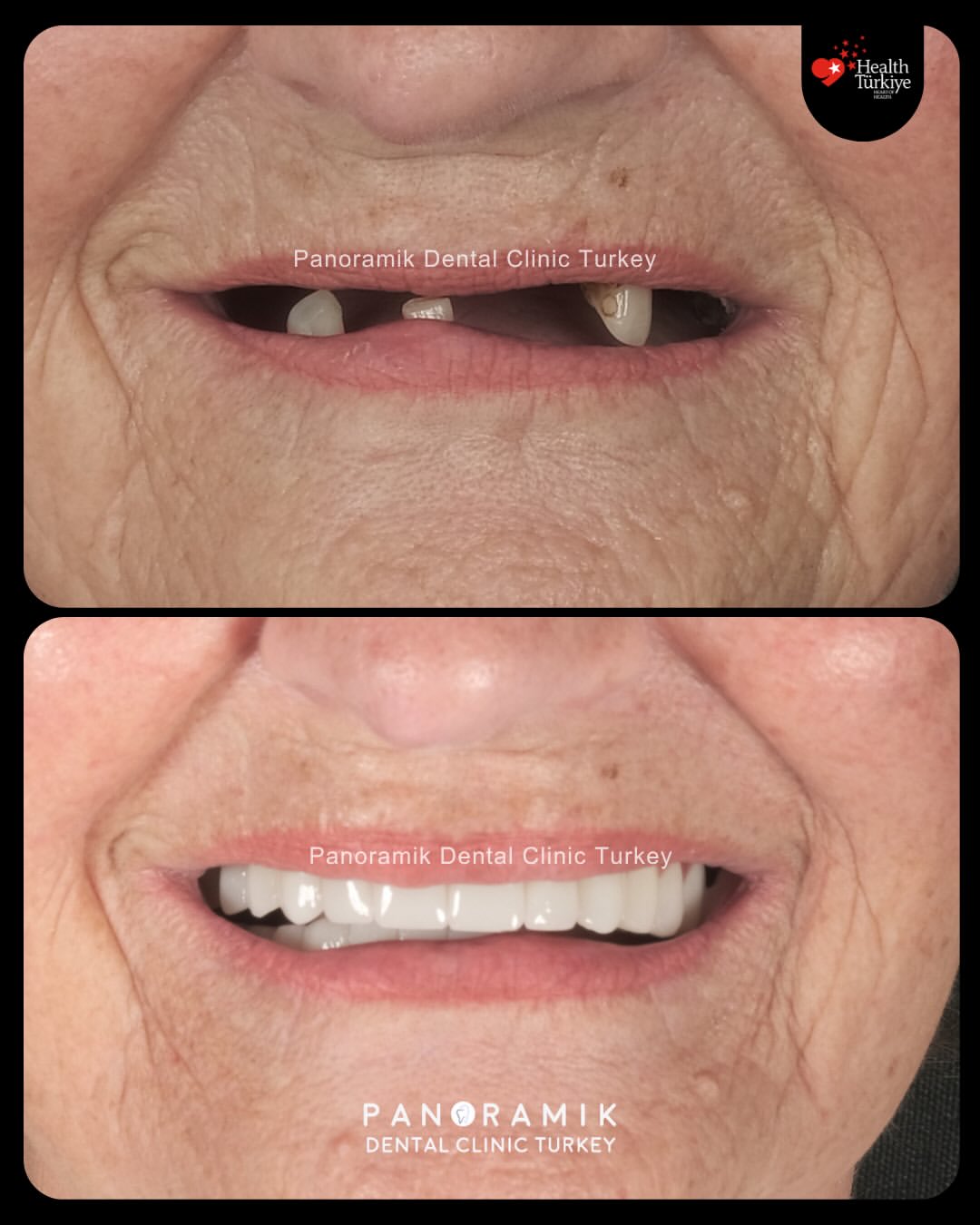


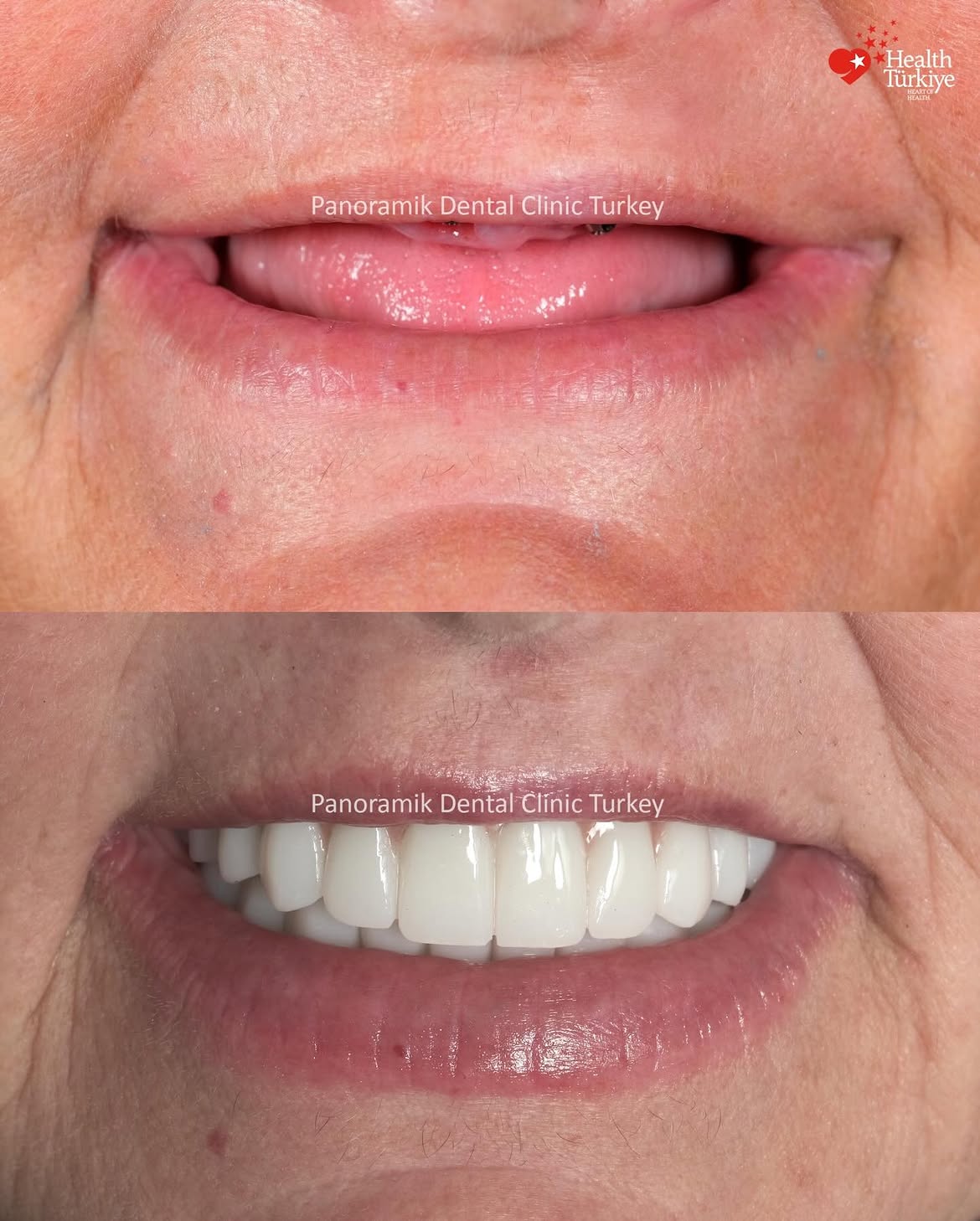


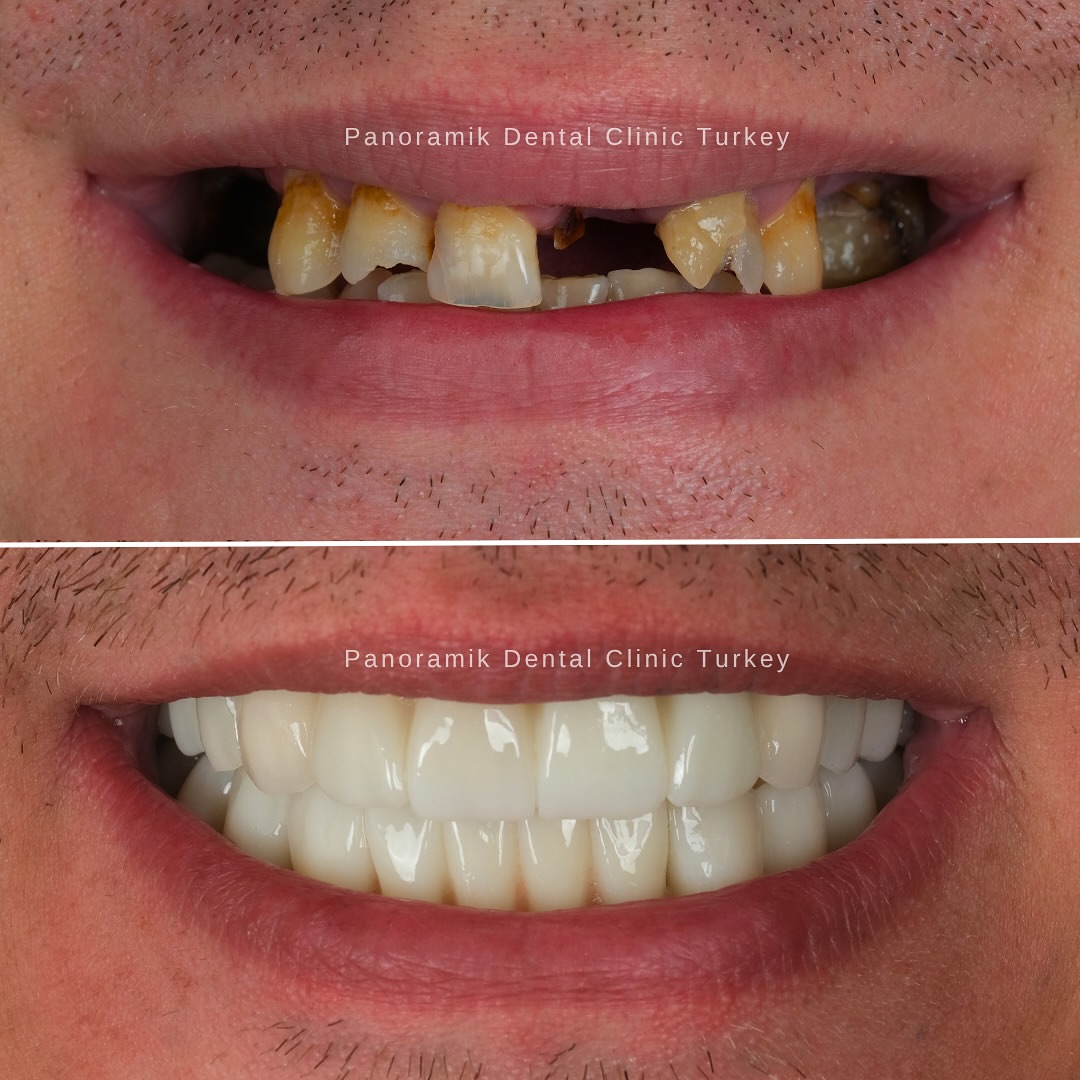
Contact us for more information about dental implant treatment and discuss your individual treatment needs with our dental team.