






The Effects of Espresso Coffee on Oral Health
There's nothing quite like an extraordinary mug of espresso at the start of the day. Running into Starbucks for a quick espresso while heading to work has become an essential part of many people's morning schedule.
What Are the Effects of Espresso Coffee on Dental Health?
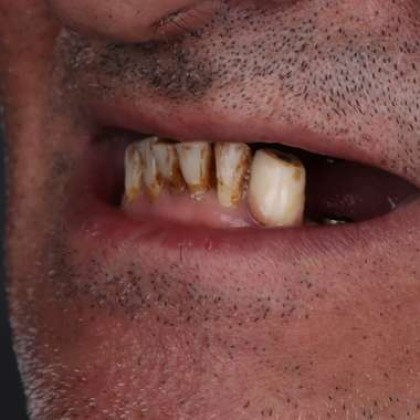
While drinking espresso has tons of health benefits, the same cannot be said for your teeth. Note that espresso deteriorates tooth polish, and caffeine reduces saliva production in your mouth. Also, this type of coffee can change the color of your teeth. Espresso contains a substance called tannin, a polyphenol that forms coloring compounds. Therefore, if you want to reduce the staining of your teeth, you will need to reduce the consumption of this beverage.
It is also advisable to drink the coffee in one go without stretching without adding sugar or cream. These two ingredients will only increase the number of microorganisms and create an acidic climate that will cause microscopic organisms to accelerate their development at a tremendous rate. Eating food and drinking water causes increased salivation, which is known as a normal dental defense system. Increased salivation cleans the teeth from corrosion.
There are many appliances available for teeth brightening at home. Be that as it may, having your teeth brightened by a professional will be much more successful and will last longer. By contacting Panoramik Dental Clinic in Antalya, you can get professional dental care.
You can read more about teeth whitening or see our current prices on our price list.
Frequently Asked Questions
Yes. Regular espresso can stain teeth over time because coffee contains dark pigments that build up on the enamel.
Coffee is acidic, so frequent sipping can weaken enamel over time. Added sugar also increases the risk of tooth decay.
Rinse your mouth with water after drinking coffee, limit added sugar and wait about 30 minutes before brushing your teeth.
In many cases, yes. Professional teeth whitening can lighten coffee stains on natural teeth, but it does not change the colour of crowns or veneers.