






Comparison Between Zirconia Crown and Porcelain Crown
Today, the development of health care and dental aesthetics has led to the emergence of various methods and materials for restoring teeth. Zirconia and porcelain crowns are two important materials that are often used in dental restoration and differ in their properties. After evaluating the advantages and disadvantages of these two materials, it is important to understand which type of crown is better in any given situation.
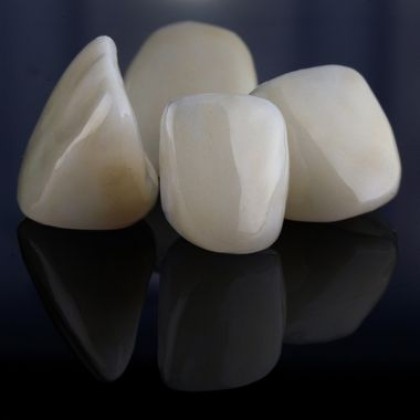
Zirconium dioxide crowns are an ideal option that combines aesthetics and durability.
Zirconium dioxide crowns consist of a white-colored ceramic material made of a mixture of zinc oxide and zirconium dioxide, which occupies an important place in the aesthetics and restoration of teeth.
Let us list some of the advantages of this material:
Aesthetic appearance
Zirconia crowns are known for their unique aesthetic appearance.
Due to its transparent structure, zirconia reflects light just like the natural tooth surface, giving the patient a natural-looking smile.
Durability
Zirconia is one of the most durable materials used for dental restorations. It is highly resistant to chewing stresses, especially in the posterior teeth. Thanks to this feature, zirconia crowns last for many years.
Biocompatibility
Zirconia is also a favorable material in terms of biocompatibility. This feature allows zirconia crowns to be used comfortably in the oral cavity and has a positive effect on gum health.
Zirconia crowns meet aesthetic expectations while providing strength and durability, ensuring patient satisfaction.
This specialty ceramic material offers a modern and effective option for those who want to achieve successful dental restoration results.
Porcelain crowns combine aesthetics and ease of use
Porcelain crowns are dental restorations created from metal-based porcelain coatings that promote aesthetics and dental health.
- Aesthetic appearance
Porcelain crowns are translucent and provide an aesthetic smile that looks very similar to natural teeth.
Compared to zirconium dioxide crowns, their translucency may be slightly less, but they still have a natural look.
- Easy to apply
- Material sensitivity should be assessed individually
This is important for patients with metal allergies, as porcelain crowns offer them a biocompatible alternative.
Which One Should Be Preferred in A Particular Case?
Zirconia crowns
Recommended in cases that require high strength in the lateral teeth. Can be used in patients with high aesthetic expectations. It is a suitable option for patients who want to minimize the risk of allergic reactions.
Porcelain crowns
This option may be preferred if the aesthetic appearance of the front teeth is a priority. The ease of shaping offers an advantage in cases that require detailed work. May be recommended for patients with metal allergies. Zirconia and porcelain crowns should be selected based on specific needs and treatment goals. The dentist will determine the most appropriate type of crown by carefully evaluating the patient's condition. Consideration of factors such as aesthetics, durability, and biocompatibility are critical to long-term and successful tooth restoration.
You can read more about dental crowns in Turkey or see our current prices on our price list.
Frequently Asked Questions
Zirconia is generally stronger and more resistant to chipping, so it is often chosen for back teeth.
Porcelain has a natural translucency that suits front teeth, although modern zirconia can also look very natural. Your dentist will recommend the best option for each tooth.
With good oral hygiene and regular check-ups, both types can last for many years. Teeth grinding and poor oral care can shorten their lifespan.
On our price list, a porcelain ceramic crown is £90 and a porcelain crown with zirconium is £140.