






Dental Tomography
A CT scan, often referred to as a “CAT scan”, is a type of medical imaging that combines multiple x-ray measurements into virtual “slices” of a feature, allowing the doctor to see inside without hurting it. Cone beam CT imaging (CBCT) is a subtype of this imaging that is useful in dental, orthodontic, oral and endodontic surgery. Today, we’re going to take a closer look at this interesting technology, which is becoming increasingly important for the identification and treatment of dental problems.

What are the risks associated with dental X-rays?
CT (Dental Cone Beam) scans offer a significantly lower radiation dose than typical CT scans obtained in a hospital, but they contain more x-rays than a regular x-ray. Therefore, your dentist will try to limit the number of scans you undergo.
Radiation dose depends on the scanner, settings and area being examined, rather than on the sensitivity of the teeth. Younger patients are generally more sensitive to the potential effects of radiation. At any age, a scan should be justified by a clinical need and use the lowest dose that provides adequate diagnostic information.
If you are pregnant, please inform your dentist so that the scan can be modified or other arrangements can be made.
Is it conceivable that a CT scan could cause cancer?
A dental CT or CBCT examination involves ionising radiation and a small potential risk. Your dentist weighs that risk against the diagnostic benefit, reviews previous imaging and avoids unnecessary repeat scans.
Tell your dentist if you have recently had a CT scan so that he or she can take the dose into account when deciding if and when to have another scan.
How does metal affect a CT scan?
CT and CBCT images show differences in X-ray absorption. Dense materials such as bone generally appear lighter than air on standard images. Metal can create artefacts that obscure nearby structures, so your dental team may ask you to remove jewellery or removable appliances before the scan.
Therefore, jewelry and other metal objects should be removed from the patient’s head, face and neck whenever possible.
Is a neck CT scan feasible when wearing a full plastic prosthesis?
Dental Tomography , Wearing a complete plastic prosthesis should have no effect on the CT image. However, depending on the type of image your dentist needs, you may be asked to remove your denture before the scan.
Is a CBCT used to diagnose dental implants?
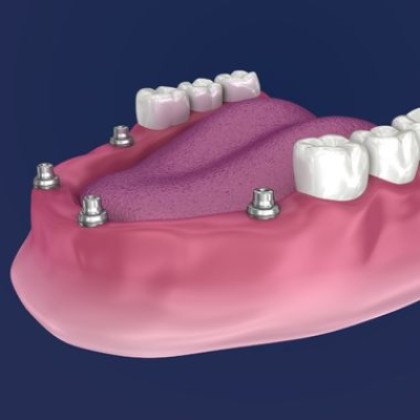
Many ConeBeam scanner software installations are directly connected to dental implant planning programs and software platforms, and the scanners are used in the diagnostic phases of dental implants. This allows your dentist to virtually place a dental implant before surgery.
Dental implants come in different lengths and widths, and your dentist can use 3D scanners to create the precise length and width of each implant with absolute clarity and accuracy.
The results of the scan can sometimes be uploaded into CAD/CAM software, which can then be used to design an actual implant guide for the dentist. This implant guide fits your existing teeth and contains a hole into which the dental implant will be inserted. The hole will be drilled at the precise angle required by the dentist to insert the dental implant.
You can read more about our dental treatments or see our current prices on our price list.